

India Plans Strategic LNG Storage Expansion After Middle East Conflict Disrupts Qatari Supply
India is preparing to significantly strengthen its energy security infrastructure by expanding its Liquefied Natural Gas (LNG) storage capacity after recent geopolitical tensions in West Asia disrupted supplies from Qatar, one of the country’s largest LNG exporters. The supply shock exposed vulnerabilities in India’s energy import system and highlighted the urgent need for stronger strategic reserves capable of handling prolonged international disruptions.
According to reports, the recent instability in the Middle East and interruptions linked to regional conflict affected LNG cargo movement from Qatar’s Ras Laffan export facility, creating uncertainty in India’s gas supply chain. In response, major LNG importer and infrastructure operator Petronet LNG Limited has proposed a major expansion of storage infrastructure across multiple locations in India.
The move reflects India’s broader push toward energy resilience at a time when global geopolitical tensions, maritime risks, and fluctuating fuel prices are increasingly affecting international energy markets.
India’s Growing Concern Over Energy Security
India is one of the world’s fastest-growing energy consumers and relies heavily on imported energy resources to meet domestic demand. Natural gas plays an increasingly important role in sectors such as:
- Power generation
- Fertiliser production
- Industrial manufacturing
- Transportation
- City gas distribution
- Household cooking fuel
However, India imports nearly half of its natural gas requirements in the form of LNG, making the country vulnerable to external disruptions in global supply chains.
The recent interruption in Qatari LNG shipments has therefore raised serious concerns regarding India’s preparedness for prolonged geopolitical crises.
Energy experts believe the situation has underscored the importance of building strategic LNG reserves similar to strategic petroleum reserves maintained by several countries for crude oil emergencies.
Qatari LNG Supply Disrupted After Regional Conflict
The supply disruption began after Qatar’s Ras Laffan LNG facility reportedly declared force majeure in early March due to regional instability and operational disruptions linked to the broader Middle East conflict.
As a result:
- No LNG cargoes from Qatar reached India during March and April
- May deliveries are also expected to remain affected
- Supply for June remains uncertain
The disruptions were worsened by shipping difficulties around the strategically important Strait of Hormuz, one of the world’s busiest maritime energy corridors.
At least one LNG vessel carrying cargo to India reportedly faced delays due to concerns regarding maritime movement and regional security conditions.
Qatar has traditionally been among India’s most important LNG suppliers, with Petronet LNG typically receiving around 9 to 10 cargoes every month from the Gulf nation.
Why the Strait of Hormuz Matters
The Strait of Hormuz is one of the world’s most critical energy shipping routes, connecting the Persian Gulf with global markets.
A significant portion of global crude oil and LNG exports passes through this narrow maritime corridor.
Any geopolitical conflict, military escalation, or disruption in the region can severely affect:
- Energy supply chains
- Shipping insurance costs
- Fuel prices
- Global energy markets
- Import-dependent economies like India
The recent disruptions once again demonstrated how vulnerable global energy flows remain to geopolitical instability in West Asia.
Petronet LNG Plans Major Storage Expansion
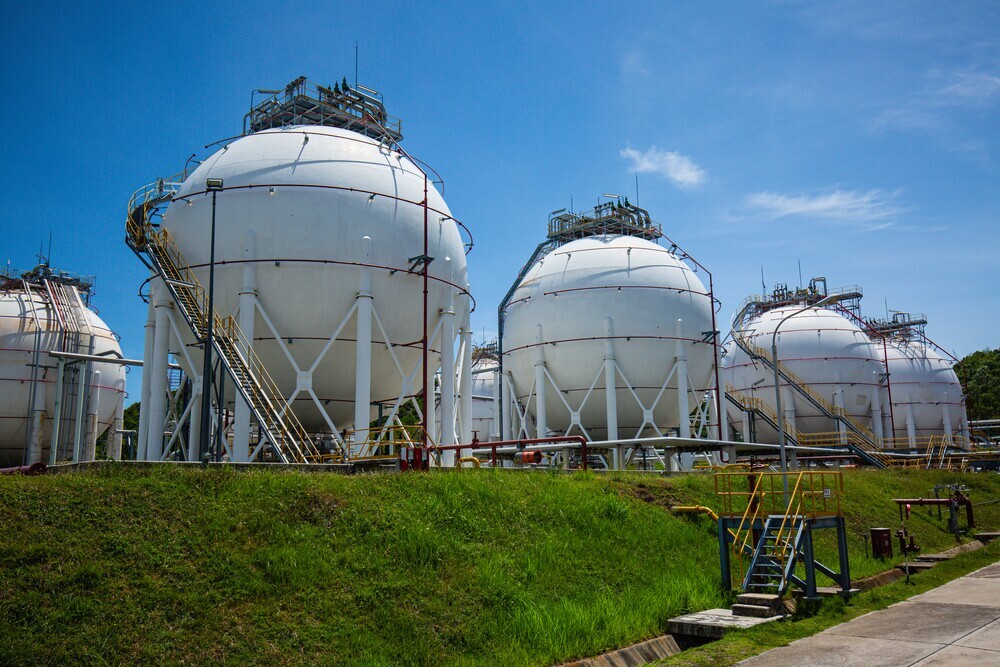
In response to the crisis, Petronet LNG has announced plans to substantially expand India’s LNG storage infrastructure.
The company intends to add seven new LNG storage tanks across multiple terminals.
The proposed additions include:
- Two new tanks at Gopalpur in Odisha
- One additional tank at Kochi in Kerala
- Further expansion at the Dahej LNG terminal in Gujarat
According to company officials, these projects are expected to take around three years to complete.
The expansion aims to create stronger storage buffers that can help India maintain gas supply continuity during future international disruptions.
Existing LNG Infrastructure in India
Petronet LNG currently operates 10 out of India’s 23 LNG storage tanks, making it one of the country’s most important LNG infrastructure companies.
Its major facilities include:
Dahej LNG Terminal, Gujarat
- Eight LNG storage tanks
- Annual capacity of 22.5 million tonnes
Kochi LNG Terminal, Kerala
- Two LNG storage tanks
- Annual capacity of 5 million tonnes
During the financial year 2025-26, Petronet LNG reportedly handled approximately 26.5 million tonnes of LNG imports.
While current infrastructure is considered sufficient for routine operations and normal demand management, officials acknowledged that it remains inadequate for handling extended supply disruptions caused by geopolitical crises.
India’s Heavy Dependence on LNG Imports
India’s natural gas consumption has steadily increased over the past decade due to economic growth, industrial expansion, and cleaner energy goals.
The government has also been promoting natural gas as a transition fuel to reduce dependence on more polluting fossil fuels such as coal.
However, domestic gas production remains insufficient to meet total demand.
As a result, India depends heavily on LNG imports from countries including:
- Qatar
- United Arab Emirates
- Australia
- United States
- Russia
Qatar and the UAE together account for nearly 40% of India’s total LNG imports, making the Gulf region strategically crucial for India’s energy security.
This concentration of imports from a geopolitically sensitive region increases supply risk during conflicts or shipping disruptions.
LNG Prices Surge During Supply Crisis
The supply disruption also caused sharp volatility in international LNG prices.
Spot LNG prices reportedly surged to around:
- $24–25 per million British thermal units (MMBtu) during the peak disruption
Prices later eased to approximately:
- $16 per MMBtu as markets stabilized somewhat
The sudden rise in prices increased cost pressure on Indian energy importers and industries dependent on natural gas.
Some industrial consumers reportedly reduced gas usage during the disruption period to prioritize supply for essential sectors such as:
- Power generation
- Fertilizer production
- Domestic consumption
The episode demonstrated how quickly global energy shocks can impact domestic economic activity.
Strategic Storage Becoming Increasingly Important
The recent crisis has intensified discussions around the importance of strategic LNG reserves.
Countries around the world maintain strategic energy reserves to protect against:
- War-related disruptions
- Supply chain interruptions
- Maritime blockades
- Geopolitical instability
- Price shocks
- Natural disasters
India already maintains strategic petroleum reserves for crude oil emergencies, but LNG storage infrastructure remains relatively limited compared to the country’s growing gas demand.
Energy experts argue that expanding LNG storage capacity can provide several benefits:
- Improved energy security
- Greater supply flexibility
- Reduced exposure to international volatility
- Better crisis management capability
- Stabilization of domestic gas supply
India’s Long-Term Energy Transition Goals
India’s push to strengthen LNG infrastructure also aligns with its broader energy transition strategy.
Natural gas is expected to play a major role in India’s efforts to:
- Reduce carbon emissions
- Expand cleaner fuel usage
- Improve urban air quality
- Support industrial growth
- Increase energy diversification
The government aims to increase the share of natural gas in India’s energy mix significantly over the coming years.
To achieve this goal, reliable LNG supply chains and adequate storage infrastructure will be essential.
Geopolitical Risks Reshaping Energy Strategy
The Middle East conflict has reinforced the reality that global energy markets remain deeply influenced by geopolitical developments.
India, as one of the world’s largest energy importers, must continuously adapt its strategy to manage risks arising from:
- Regional wars
- Maritime tensions
- International sanctions
- Supply chain disruptions
- Commodity price volatility
Analysts believe the latest LNG disruption may accelerate India’s efforts to diversify import sources and strengthen domestic infrastructure resilience.
Economic Impact of LNG Supply Interruptions
Any prolonged disruption in LNG imports can have broad economic consequences for India.
Industries that heavily rely on natural gas may face:
- Higher operational costs
- Reduced production capacity
- Energy shortages
- Inflationary pressure
Power generation and fertilizer sectors are particularly sensitive to LNG supply availability and pricing.
The government therefore faces increasing pressure to ensure uninterrupted energy access while balancing affordability and long-term sustainability goals.
Future Outlook for India’s LNG Sector
India’s LNG demand is expected to continue growing rapidly in the coming years.
Several factors driving this growth include:
- Urbanization
- Industrialization
- Expansion of city gas networks
- Cleaner energy policies
- Rising electricity demand
As demand rises, India will likely continue investing heavily in:
- LNG terminals
- Storage facilities
- Gas pipelines
- Import diversification
- Domestic gas infrastructure
The planned storage expansion by Petronet LNG represents an important step toward improving the country’s long-term energy resilience.
Conclusion
The recent disruption in LNG supplies from Qatar has exposed critical vulnerabilities in India’s energy security framework and highlighted the limitations of current storage infrastructure.
As geopolitical instability in West Asia affected shipments through the Strait of Hormuz, India experienced firsthand the risks associated with heavy dependence on imported LNG from conflict-prone regions.
In response, Petronet LNG’s plan to add seven new storage tanks across key terminals marks a significant move toward building stronger strategic energy reserves.
The expansion is expected to improve India’s ability to manage future supply disruptions, stabilize domestic gas availability, and support critical sectors dependent on natural gas.
As India’s economy and energy demand continue growing, strengthening LNG infrastructure and diversifying energy security strategies will remain crucial priorities for ensuring long-term economic and industrial stability.
Disclaimer:
This article is based on publicly available information, official statements, and media reports available at the time of publication. The content is intended for informational purposes only and should not be considered financial or policy advice. Readers are encouraged to refer to official sources for the latest updates.
The content is solely for educational and informational purposes. Whether it is global news, indian news, political news or any other sort of content, we do not independently verify the content or claims.
While efforts have been made to ensure accuracy, the information presented may change as new developments emerge. Readers are advised to conduct their own research and consult financial advisors before making any investment decisions.
NoCap Times does not independently verify all claims or statements and shall not be held responsible for any inaccuracies or omissions.
Stay updated with the latest and breaking news on NoCap Times. Get the latest India News, World News, Business News, Sports News, Viral News and Research Articles for various competitive Exams & UPSC Aspirants.