
PM Modi’s Strategic Outreach: India Urges De-escalation in West Asia Conflict as Modi-Trump Call Emphasizes Open Strait of Hormuz for Global Energy Security
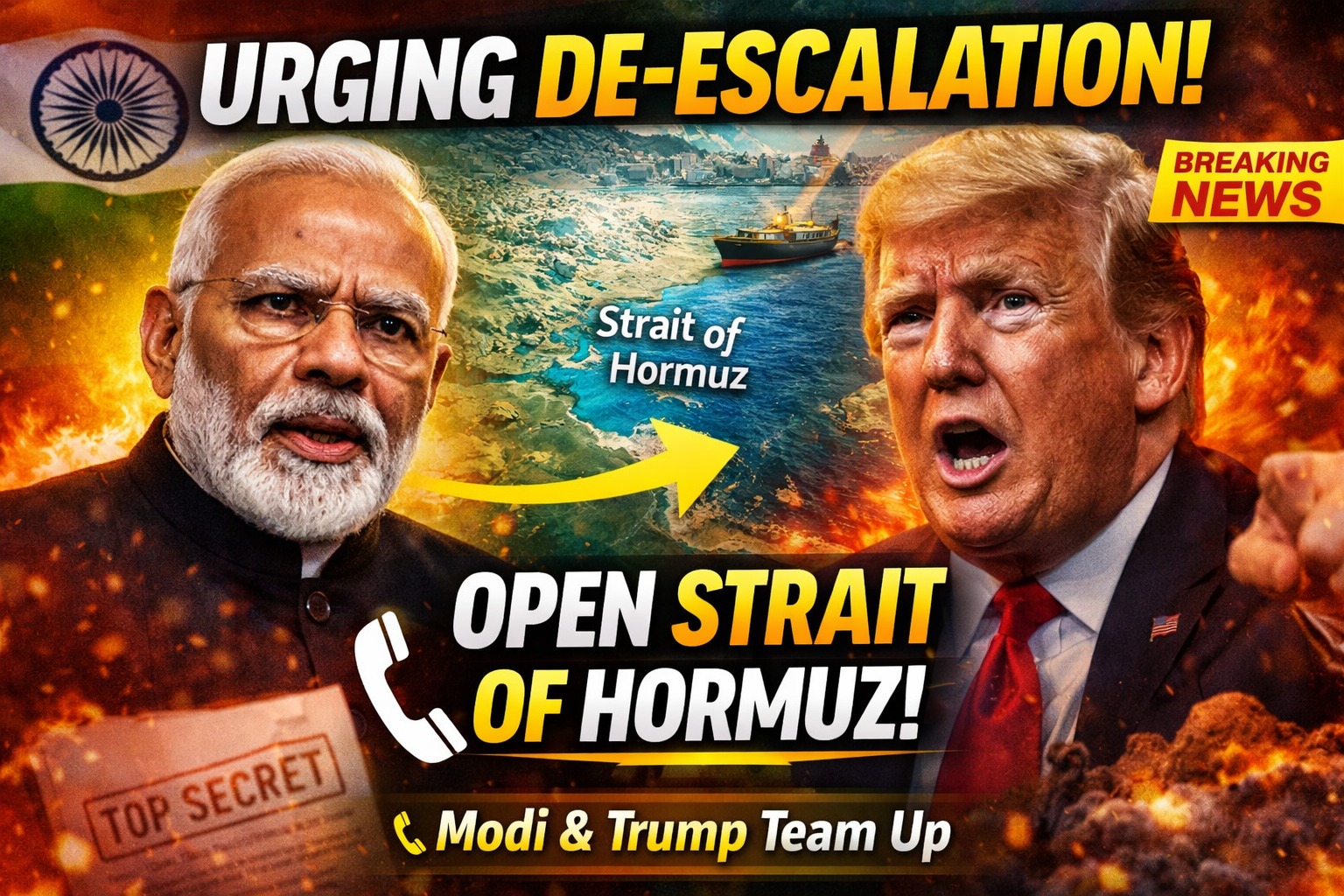
In a significant diplomatic move amid the ongoing US-Iran tensions in West Asia, Indian Prime Minister Narendra Modi held a detailed telephone conversation with US President Donald Trump on March 24, 2026. The leaders focused on the escalating Middle East conflict and stressed the critical need to keep the Strait of Hormuz open, secure, and fully accessible to international shipping. This call, the first between the two since the outbreak of hostilities on February 28, underscores India’s balanced yet firm stance on safeguarding global energy routes while advocating for immediate de-escalation and peace.
Prime Minister Modi described the exchange as a “useful exchange of views” on the situation in West Asia. In a post on X (formerly Twitter), he stated: “India supports de-escalation and restoration of peace at the earliest. Ensuring that the Strait of Hormuz remains open, secure and accessible is essential for the whole world.” He added that both leaders agreed to remain in close contact regarding efforts toward peace and stability. The readout from the Indian side highlighted that safe passage through this vital maritime chokepoint is indispensable for global peace, economic well-being, and energy security.
US Ambassador to India Sergio Gor confirmed the substance of the discussion, posting: “President Donald Trump just spoke with Prime Minister Modi. They discussed the ongoing situation in the Middle East, including the importance of keeping the Strait of Hormuz open.” This conversation comes just one day after President Trump announced a five-day pause in potential strikes on Iranian energy infrastructure and signaled “very good talks” with Tehran, including a proposed 15-point ceasefire framework being shuttled through Pakistani channels.
The Strait of Hormuz, a narrow waterway between Iran and Oman, serves as the conduit for approximately one-fifth of the world’s seaborne oil and a significant portion of liquefied natural gas (LNG). Disruptions here have ripple effects worldwide, but they hit energy-import-dependent nations like India particularly hard. India, the world’s third-largest oil consumer and a major importer of crude and LPG from the Gulf region, relies on this route for a substantial share of its energy needs. Recent Iranian restrictions on shipping in retaliation for US-Israeli strikes have led to virtual standstill in commercial traffic, causing spikes in global oil prices, domestic LPG shortages, and concerns over fertilizer and power sector supplies.
In his address to Parliament on March 23, just a day before the Trump call, PM Modi had already labeled disruptions in the Strait of Hormuz as “unacceptable.” He told the Lok Sabha that attacks on commercial vessels and blockades of international waterways cannot be tolerated, emphasizing that India has opposed strikes on civilians and critical energy infrastructure. Modi assured lawmakers that the government is working relentlessly to minimize the war’s impact through diversified sourcing from over 40 countries, strategic petroleum reserves (currently at 53 lakh metric tonnes), and diplomatic engagements with all parties, including Iran, Israel, and the US. He disclosed that two Indian-flagged LPG carriers had successfully navigated the strait, delivering over 92,000 metric tonnes of cooking gas, but warned that challenges could persist.
India’s position reflects a careful balancing act. New Delhi maintains strong strategic ties with the United States and Israel—evident in deepening defense and technology cooperation—while preserving longstanding historical and economic relations with Iran, including the Chabahar port project that serves as a gateway to Central Asia. Modi has engaged directly with Iranian President Masoud Pezeshkian in recent days, condemning attacks on critical infrastructure and calling for an end to aggression. This multi-pronged diplomacy aims to protect Indian interests: the safety of nearly nine million Indian expatriates in the Gulf, uninterrupted energy flows, and avoidance of broader regional spillover that could affect trade and security in the Indian Ocean.
Analysts view the Modi-Trump call as timely and strategic. With Trump exploring backchannel talks via Pakistan—including potential hosting of negotiations in Islamabad—India’s voice adds weight to the de-escalation chorus. New Delhi’s emphasis on the Hormuz strait aligns with broader international concerns, as prolonged closure risks not only higher fuel costs but also inflationary pressures, supply chain disruptions, and humanitarian challenges across Asia and beyond. Energy experts note that India’s proactive diversification—ramping up imports from Russia, the US, Saudi Arabia, and others—has provided a buffer, yet full restoration of Hormuz traffic remains essential for cost stability and long-term energy planning.
The conflict, which erupted after the collapse of nuclear negotiations and subsequent coordinated US-Israeli strikes on Iranian facilities, has already claimed thousands of lives and displaced millions. Iran has responded with missile barrages, proxy actions, and maritime restrictions, while the US has deployed additional forces to the region. Against this backdrop, Modi’s consistent messaging—support for dialogue, opposition to civilian targeting, and insistence on open sea lanes—positions India as a responsible global stakeholder rather than a partisan actor.
Economically, the stakes for India are immense. Rising crude prices have strained household budgets, with LPG cylinder costs climbing and black-marketing reports emerging in some states. The government has urged calm, cracked down on hoarding, and accelerated alternative procurement. In the power and fertilizer sectors, where gas shortages could affect agriculture and electricity generation, contingency plans are in place. However, Modi has cautioned that global conditions may remain difficult for some time, drawing parallels to the resilience shown during the COVID-19 pandemic and urging national unity.
Geopolitically, the call reinforces the robust personal rapport between Modi and Trump, built over multiple summits and shared views on countering terrorism and promoting Indo-Pacific stability. It also signals India’s growing role in multilateral crisis management. While not positioning itself as a formal mediator like Pakistan, India is quietly leveraging its relationships to encourage restraint. Foreign policy observers suggest that sustained engagement could help create space for the 15-point ceasefire proposals—centered on nuclear curbs, missile limits, and proxy disengagement—to gain traction without further escalation.
Looking ahead, the coming days are critical. The US five-day pause offers a window for diplomacy, with reports of possible high-level meetings involving envoys in neutral venues. India has expressed readiness to support any genuine peace effort that ensures maritime freedom and regional stability. As PM Modi noted, both sides in the Modi-Trump conversation committed to staying in touch, indicating that this channel will remain active as developments unfold.
This episode highlights the interconnected nature of global security and energy in 2026. For India, protecting the Strait of Hormuz is not merely an economic imperative but a strategic necessity that aligns with its vision of a stable, multipolar world order. By voicing these concerns directly to President Trump while maintaining outreach to all conflict parties, Prime Minister Modi has demonstrated pragmatic leadership—prioritizing de-escalation, energy security, and humanitarian considerations amid one of the most volatile crises in recent West Asian history.
As markets monitor oil flows and diplomats shuttle proposals, India’s measured yet firm diplomacy could prove instrumental in nudging the region toward an off-ramp. The world, including millions dependent on uninterrupted Gulf energy, will be watching whether the emphasis on an open Hormuz translates into concrete actions on the ground.
Disclaimer
This article is based on official statements and publicly available information at the time of publication. The global energy situation is dynamic and may change with evolving geopolitical developments.
The content is intended for informational purposes only and should not be considered financial or policy advice. Readers are encouraged to refer to official sources for the latest updates.
NoCap Times does not independently verify all claims and shall not be held responsible for any inaccuracies or omissions.