

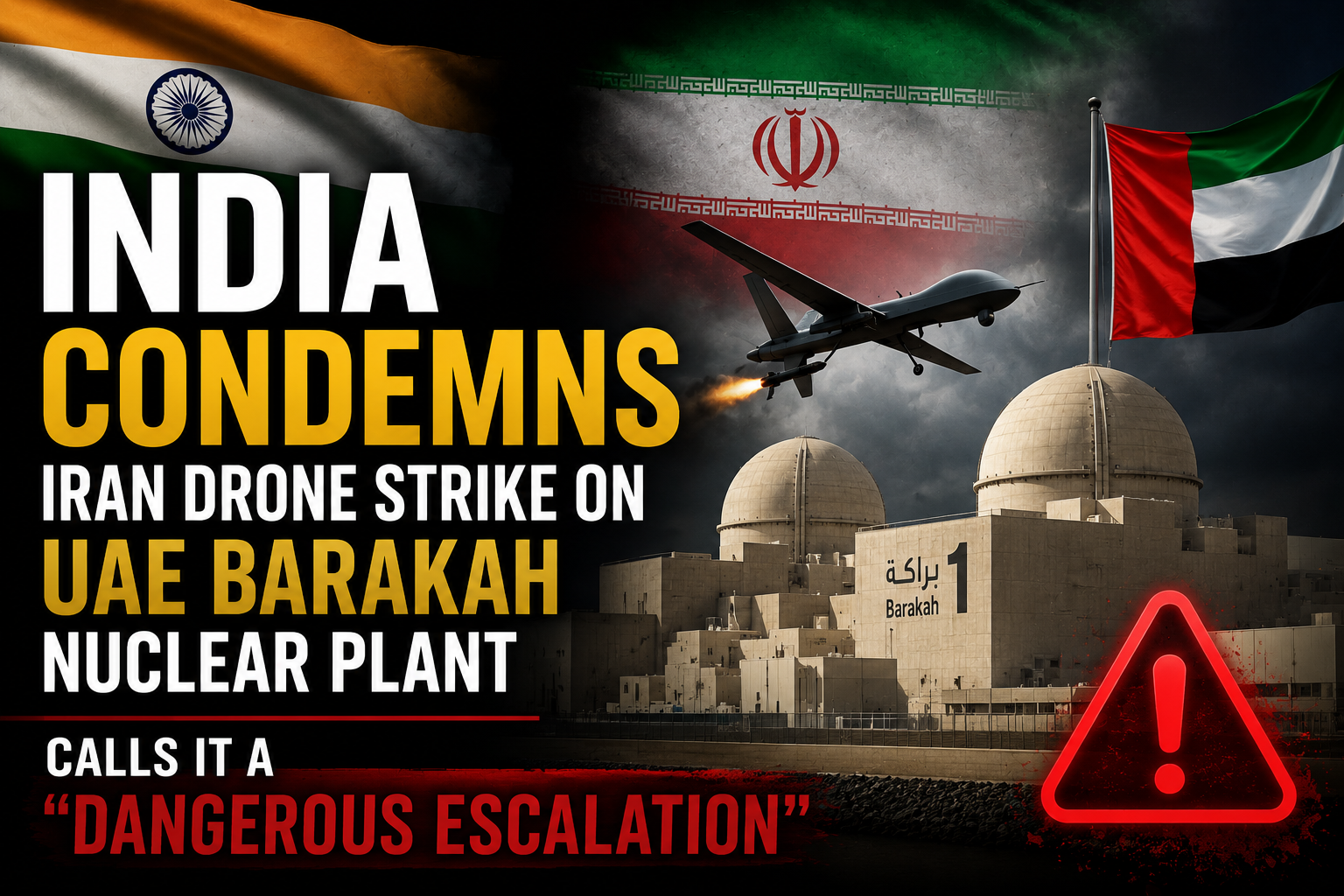
India Condemns Iran Drone Strike on UAE Barakah Nuclear Plant, Calls It a “Dangerous Escalation”
Rising Gulf Tensions: India Urges Restraint After Drone Strike on UAE Nuclear Facility
India has expressed serious concern following a drone strike targeting the Barakah nuclear power plant in the United Arab Emirates (UAE). The Ministry of External Affairs (MEA) described the incident as a “dangerous escalation” and called for immediate restraint and a return to diplomatic dialogue.
The development marks a significant flashpoint in an already volatile geopolitical environment involving Iran, the United States, Israel, and Gulf nations. With nuclear infrastructure coming under threat, global alarm over regional security has intensified.
(Source: The Economic Times)
India’s Official Response: Strong Words, Call for Diplomacy After Drone Strike on UAE Nuclear Facility
The Ministry of External Affairs issued a statement condemning the attack and emphasizing the urgent need for de-escalation.
Key Points from India’s Statement Concerning Drone Strike on UAE Nuclear Facility
- Expressed “deep concern” over the strike
- Called the attack “unacceptable”
- Warned of a “dangerous escalation” in the region
- Urged all parties to return to dialogue and diplomacy
India’s response reflects its broader foreign policy stance of promoting peace and stability in regions critical to its energy and strategic interests.
What Happened at the Barakah Nuclear Facility?
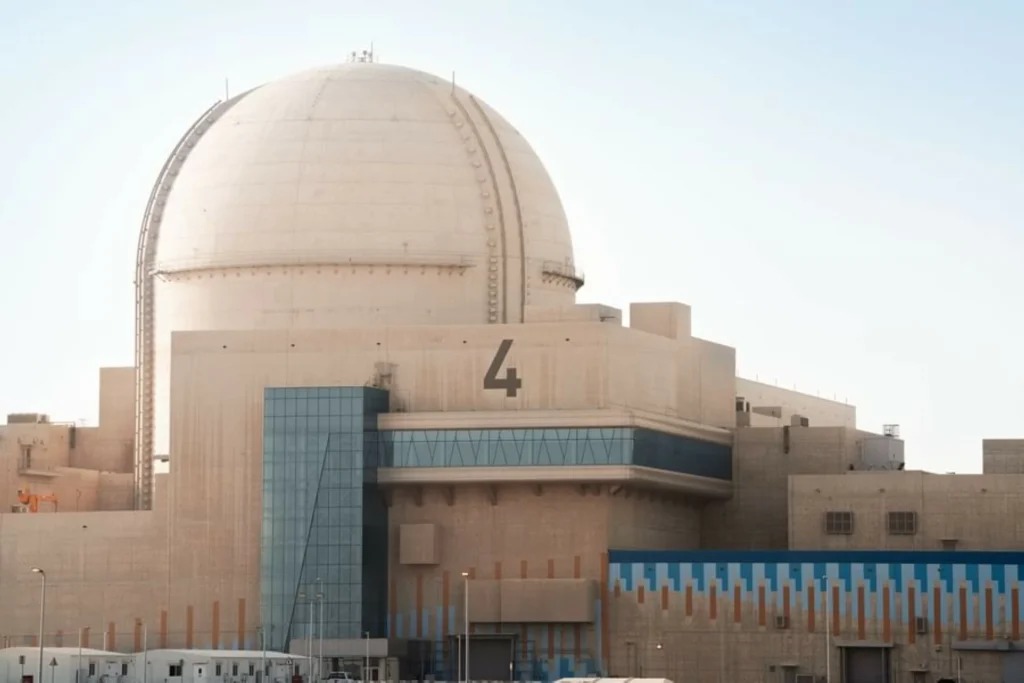
The incident occurred when drones targeted the Barakah Nuclear Power Plant, the only operational nuclear facility in the Arab world.
Key Details of the Attack
- A drone strike caused a fire near an electrical generator
- The affected area was outside the plant’s inner safety perimeter
- No casualties or radiation leaks were reported
- All nuclear units remained operational and safe
Authorities in the UAE confirmed that safety systems functioned as designed, preventing any major damage or risk to public health.
UAE’s Reaction: “Unprovoked Act of Aggression”
The UAE government strongly condemned the attack, labeling it as a direct threat to national sovereignty and security.
UAE’s Key Statements
- Described the strike as an “unprovoked terrorist attack”
- Warned against threats to its territorial integrity
- Emphasized its right to respond to aggression
While no official attribution has been made, the UAE has previously accused Iran and allied groups of targeting critical infrastructure in the region.
Role of International Watchdogs and Nuclear Safety Concerns
The International Atomic Energy Agency closely monitored the situation following the strike, highlighting the risks associated with military activity near nuclear installations.
IAEA Observations
- Emergency diesel generators were activated for one reactor
- No compromise to nuclear safety systems was detected
- Called for “maximum military restraint” around nuclear facilities
The agency’s involvement underscores the global implications of attacks on nuclear infrastructure, even when damage is limited.
How the Attack Unfolded: Drone Intrusion and Interception
According to the UAE defence ministry, multiple drones entered the country’s airspace from the western direction near Saudi Arabia.
Timeline of Events
- Three drones crossed into UAE airspace
- Two were intercepted before impact
- One drone caused limited damage near the facility
The incident demonstrates both the vulnerability of critical infrastructure and the effectiveness of defensive measures in mitigating larger threats.
Strategic Importance of Barakah Nuclear Plant
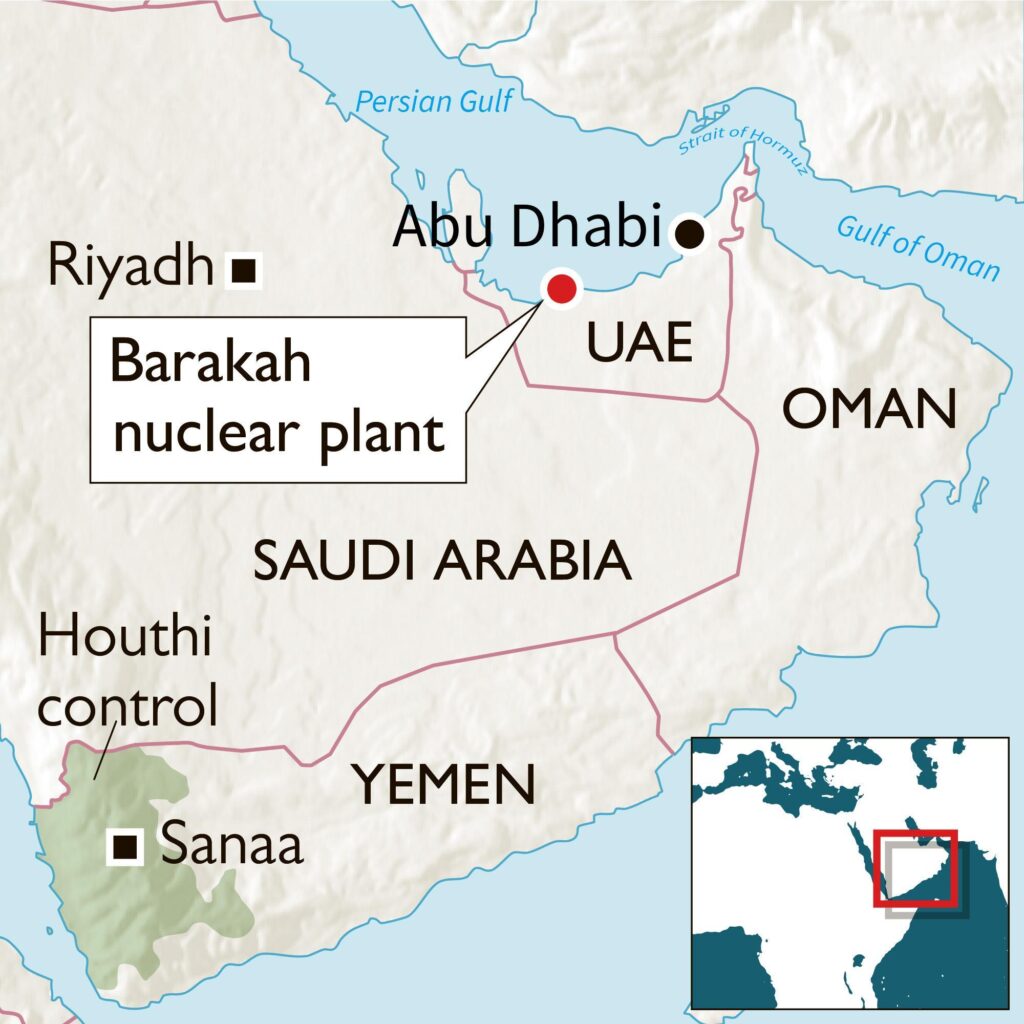
The Barakah nuclear power plant is a cornerstone of the UAE’s energy strategy.
Why Barakah Matters
- First nuclear power plant in the Arab world
- Built with assistance from South Korea
- Operational since 2020
- Supplies approximately 25% of UAE’s electricity
Valued at around $20 billion, the facility plays a crucial role in diversifying the UAE’s energy mix and reducing dependence on fossil fuels.
Escalating Regional Tensions: Iran, US, and Israel
The attack comes amid rising hostilities involving Iran, the United States, and Israel.
Recent statements by Donald Trump have further heightened tensions, with warnings directed at Iran over stalled peace negotiations. Meanwhile, Iranian officials have maintained that they remain prepared for confrontation, even as diplomatic channels remain open.
Key Drivers of Escalation
- Ongoing military tensions and proxy conflicts
- Fragile ceasefire agreements under strain
- Increasingly aggressive political rhetoric
These factors contribute to a volatile regional environment with global implications.
Global Implications: Why Drone Strike on UAE Nuclear Plant Matters
The attack on a nuclear facility has far-reaching consequences beyond the immediate region.
Potential Global Impact of Iran’s Drone Strike on UAE Nuclear Faility
- Energy Security: Disruption risks to global oil and energy markets
- Nuclear Safety: Heightened concerns over attacks on sensitive infrastructure
- Geopolitics: Increased tensions among major global powers
- Diplomacy: Urgent need for renewed international negotiations
India’s response reflects broader global anxiety about the risks of escalation, particularly when critical infrastructure is involved.
Conclusion: A Critical Moment for Regional Stability
The drone strike on the Barakah nuclear facility represents a dangerous escalation in an already tense geopolitical landscape. While immediate damage was limited, the symbolic and strategic implications are profound.
India’s call for restraint and diplomacy echoes a growing international consensus that the situation must be carefully managed to avoid further escalation. As tensions continue to rise, the coming days will be crucial in determining whether the region moves toward conflict or cooperation.
Disclaimer:
This article is based on publicly available information, official statements, and media reports available at the time of publication. The content is intended for informational purposes only and should not be considered financial or policy advice. Readers are encouraged to refer to official sources for the latest updates.
The content is solely for educational and informational purposes. Whether it is global news, indian news, political news or any other sort of content, we do not independently verify the content or claims.
While efforts have been made to ensure accuracy, the information presented may change as new developments emerge. Readers are advised to conduct their own research and consult financial advisors before making any investment decisions.
NoCap Times does not independently verify all claims or statements and shall not be held responsible for any inaccuracies or omissions.
Stay updated with the latest and breaking news on NoCap Times. Get the latest India News, World News, Business News, Sports News, Viral News and Research Articles for various competitive Exams & UPSC Aspirants.