

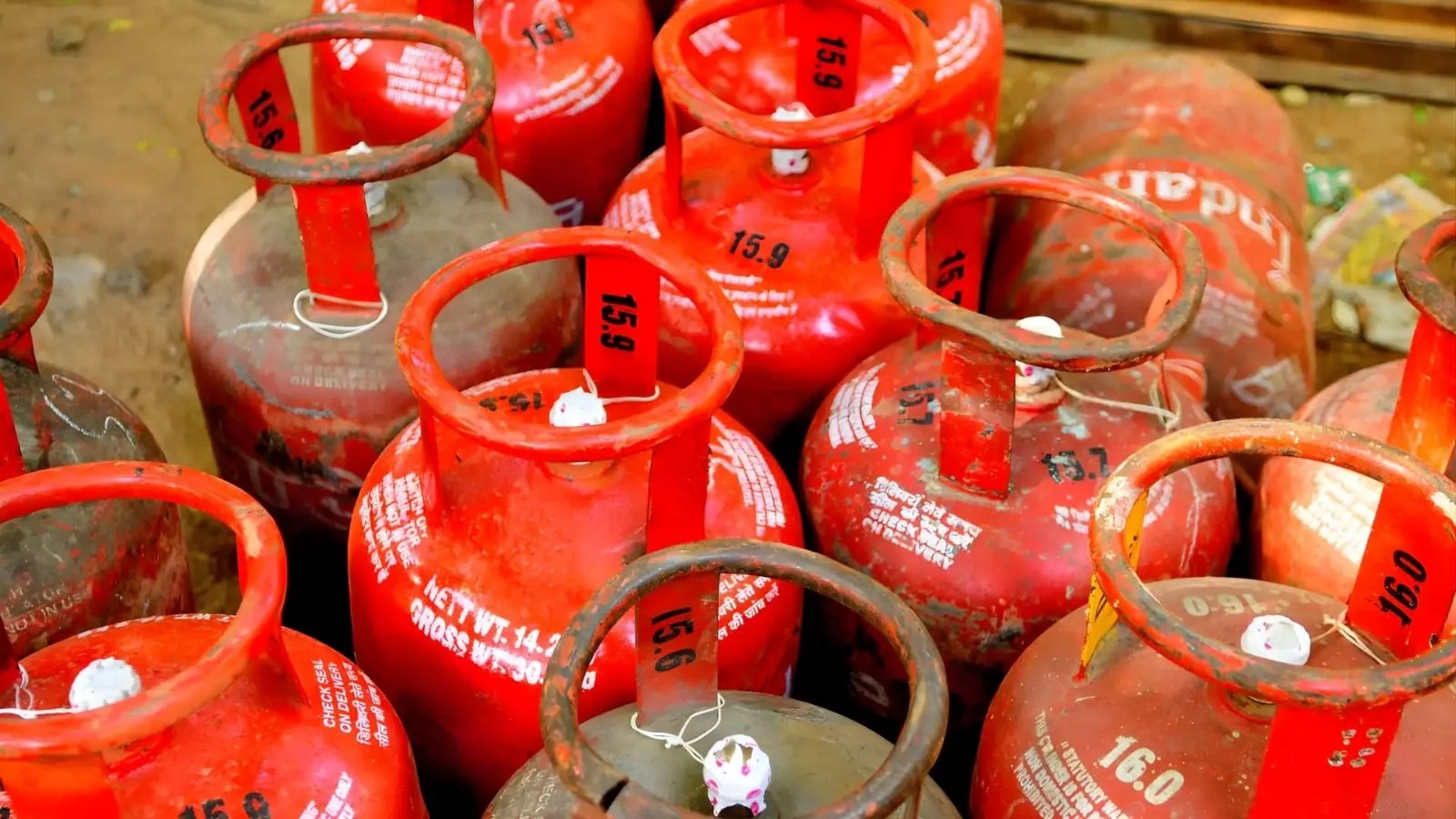
LPG Price in India Today (April 28, 2026): Domestic Rates Stable, Commercial Cylinder Prices Surge Across Major Cities
Liquefied Petroleum Gas (LPG) prices in India on April 28, 2026, present a mixed trend, with stability observed in domestic cylinder rates while commercial LPG prices have witnessed a sharp rise across major urban centers. This divergence reflects broader global energy dynamics, currency fluctuations, and pricing mechanisms followed by oil marketing companies.
For millions of households and businesses alike, LPG pricing remains a critical economic indicator. While families benefit from steady domestic rates, commercial establishments such as restaurants and hotels are facing increased operational costs due to higher fuel expenses.
Latest LPG Prices in Major Indian Cities
The latest LPG price update shows no change in domestic cylinder prices (14.2 kg) across major cities. However, commercial cylinder prices (19 kg) have increased significantly.
Here’s a city-wise breakdown:
New Delhi
- Domestic (14.2 kg): ₹913.00
- Commercial (19 kg): ₹2,078.50 (↑ ₹194.00)
Mumbai
- Domestic: ₹912.50
- Commercial: ₹2,031.00 (↑ ₹195.00)
Chennai
- Domestic: ₹928.50
- Commercial: ₹2,246.50 (↑ ₹203.00)
Kolkata
- Domestic: ₹939.00
- Commercial: ₹2,208.50 (↑ ₹220.00)
Bangalore
- Domestic: ₹915.50
- Commercial: ₹2,161.00 (↑ ₹203.00)
Hyderabad
- Domestic: ₹965.00
- Commercial: ₹2,320.50 (↑ ₹215.00)
Jaipur
- Domestic: ₹916.50
- Commercial: ₹2,106.00 (↑ ₹193.00)
This sharp increase in commercial LPG prices has drawn attention, especially from business sectors that rely heavily on fuel for daily operations.
Why Domestic LPG Prices Remain Stable
Domestic LPG cylinders are primarily used for household cooking and are subject to government regulation. The stability in pricing reflects the government’s intent to protect consumers from frequent price volatility.
Key reasons for stable domestic LPG prices include:
- Government subsidies or price control mechanisms
- Political sensitivity around household fuel costs
- Efforts to manage inflation and cost of living
By keeping domestic prices unchanged, authorities aim to ensure affordability for millions of households across the country.
Why Commercial LPG Prices Are Rising
Unlike domestic LPG, commercial cylinder prices are more market-driven. They are revised more frequently and are closely linked to global energy trends.
The recent increase in commercial LPG prices can be attributed to:
- Rising international LPG benchmark rates
- Fluctuations in the Indian rupee against the US dollar
- Increased demand from hospitality and service sectors
- Supply chain disruptions in global energy markets
Since commercial LPG is not heavily subsidized, price changes are more directly passed on to consumers.
Key Factors Influencing LPG Pricing in India
LPG pricing in India is influenced by a combination of domestic policies and global economic conditions.
1. International Energy Prices
India imports a significant portion of its LPG requirements. Any increase in global prices directly impacts domestic rates.
2. Currency Exchange Rates
A weaker rupee against the US dollar increases import costs, leading to higher LPG prices.
3. Government Policies
Decisions related to subsidies, taxation, and price control play a crucial role in determining domestic LPG rates.
4. Demand and Supply Dynamics
Seasonal demand, industrial usage, and global supply conditions also affect pricing.
Impact on Households
For households, the stability in domestic LPG prices comes as a relief, especially at a time when inflation remains a concern.
Stable cooking gas prices help:
- Maintain household budgets
- Reduce financial pressure on middle- and lower-income families
- Ensure consistent access to clean cooking fuel
This is particularly important in a country like India, where LPG is a primary cooking fuel for a large population.
Impact on Businesses and Commercial Users
The rise in commercial LPG prices has a direct impact on businesses, especially those in:
- Restaurants and food services
- Hotels and hospitality
- Catering and event management
Higher fuel costs can lead to:
- Increased operational expenses
- Higher prices for consumers
- Reduced profit margins
Many businesses may pass on the additional cost to customers, potentially contributing to inflation in food and service sectors.
Domestic vs Commercial LPG: Key Differences
Understanding the difference between domestic and commercial LPG is essential:
Domestic LPG (14.2 kg):
- Used for household cooking
- Generally subsidized or regulated
- Prices remain relatively stable
Commercial LPG (19 kg):
- Used by businesses and industries
- Market-linked pricing
- Subject to frequent revisions
This dual pricing system ensures that essential household consumption remains affordable while allowing market forces to determine commercial rates.
LPG and India’s Energy Landscape
LPG plays a crucial role in India’s energy mix, particularly in promoting clean cooking solutions. Over the years, government initiatives have expanded LPG access to rural and urban households alike.
Programs aimed at increasing LPG adoption have helped:
- Reduce dependence on traditional fuels like firewood
- Improve indoor air quality
- Enhance public health outcomes
As India continues to focus on energy transition, LPG remains an important bridge fuel.
Global Trends Affecting LPG Prices
The LPG market is influenced by global developments such as:
- Crude oil price fluctuations
- Geopolitical tensions affecting energy supply
- Changes in global demand patterns
- Shipping and logistics costs
Recent volatility in international energy markets has contributed to the rise in commercial LPG prices in India.
What to Expect in the Coming Months
Looking ahead, LPG prices are likely to remain sensitive to global economic conditions.
Possible Trends:
- Domestic LPG prices may continue to remain stable due to policy considerations
- Commercial LPG prices could fluctuate based on international trends
- Any significant changes in crude oil prices may impact overall pricing
Consumers and businesses should keep an eye on monthly revisions to stay informed.
Tips for Managing LPG Costs
For households and businesses, managing LPG consumption efficiently can help reduce costs.
For Households:
- Use energy-efficient cooking practices
- Maintain LPG appliances regularly
- Avoid wastage
For Businesses:
- Optimize fuel usage in operations
- Explore alternative energy sources
- Monitor price trends and plan purchases accordingly
Conclusion: Stability for Homes, Pressure for Businesses
The LPG price trend on April 28, 2026, highlights a clear contrast—stability for domestic consumers and rising costs for commercial users.
While households benefit from unchanged cooking gas prices, businesses must navigate the challenges of increasing fuel expenses. This dual trend reflects the broader dynamics of India’s energy pricing system, balancing affordability with market realities.
As global energy conditions continue to evolve, LPG prices will remain a key factor influencing both household budgets and business operations across the country.
Disclaimer:
This article is based on publicly available information, official statements, and media reports available at the time of publication. The content is intended for informational purposes only and should not be considered financial or policy advice. Readers are encouraged to refer to official sources for the latest updates.
The content is solely for educational and informational purposes. Whether it is global news, indian news, political news or any other sort of content, we do not independently verify the content or claims.
While efforts have been made to ensure accuracy, the information presented may change as new developments emerge. Readers are advised to conduct their own research and consult financial advisors before making any investment decisions.
NoCap Times does not independently verify all claims or statements and shall not be held responsible for any inaccuracies or omissions.
Stay updated with the latest and breaking news on NoCap Times. Get the latest India News, World News, Business News, Sports News, Viral News and Research Articles for various competitive Exams & UPSC Aspirants.