

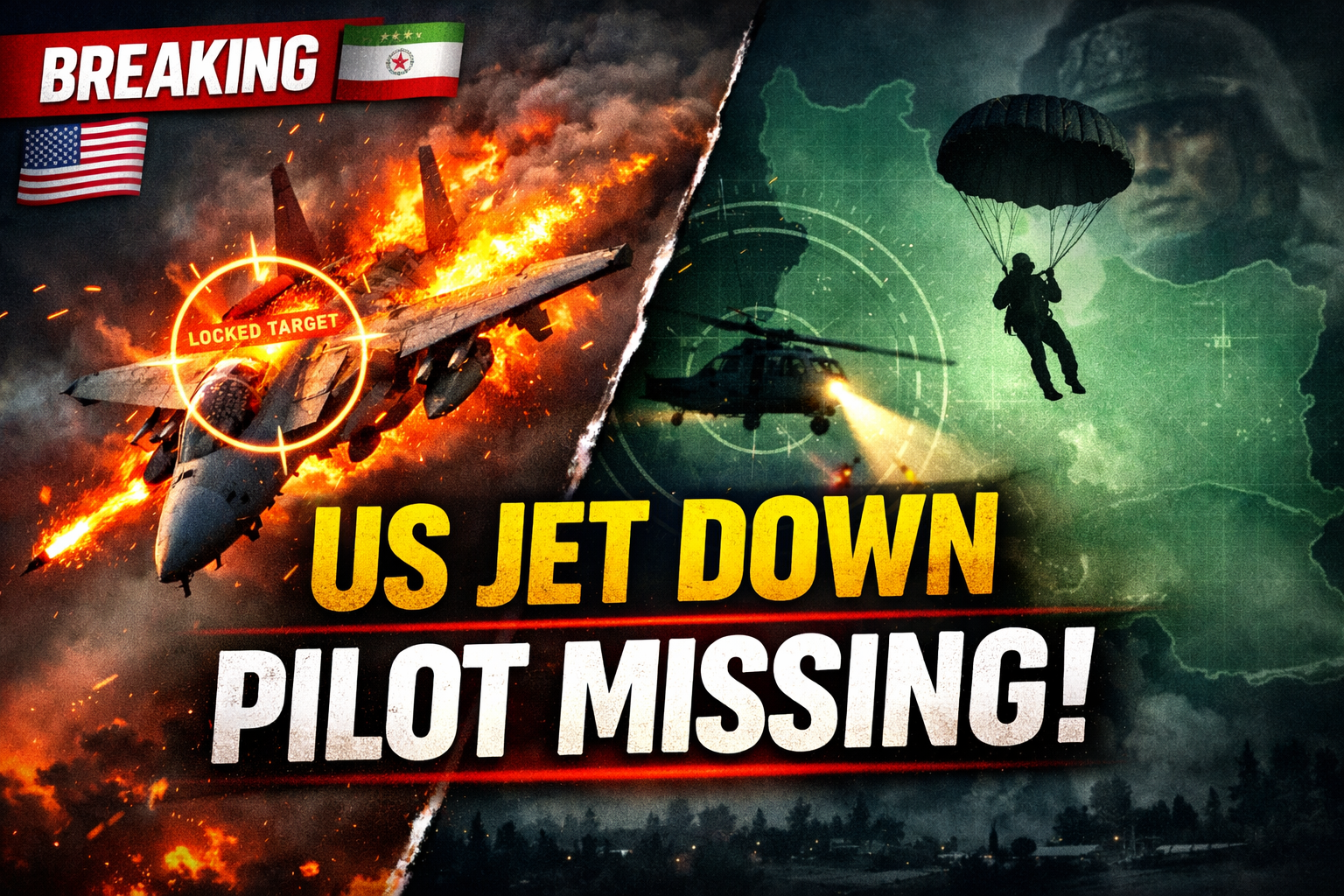
US Warplanes Downed Over Iran: Rising Tensions Shake Middle East Conflict Dynamics
US warplanes downed over Iran spark global concern as tensions rise, rescue missions intensify, and Middle East conflict enters a critical phase.
The ongoing Middle East crisis has taken a dramatic and dangerous turn as US warplanes were reportedly downed over Iran, marking a major escalation in the already volatile situation. The latest developments have intensified global concerns, as military operations led by the United States and Israel against Iran continue to expand in scale and complexity.
In the past 24 hours alone, multiple American aircraft—including advanced fighter jets and military helicopters—have reportedly been struck by Iranian air defenses. These incidents have not only exposed the risks involved in modern aerial warfare but also highlighted the unpredictable nature of the conflict. As rescue operations continue and one US airman remains missing, the situation is rapidly evolving into one of the most critical military confrontations in recent years.
Timeline of Events – What Happened on April 3?
The chain of events unfolded rapidly on April 3, when US and Israeli forces were conducting coordinated strikes targeting Iranian military installations, nuclear facilities, and strategic command centers. These operations were part of a broader campaign aimed at weakening Iran’s military capabilities.
Amid these strikes, Iranian air defense systems responded aggressively. Reports suggest that multiple US aircraft were engaged and hit, leading to a series of high-risk situations involving pilots and rescue teams.
Former US President Donald Trump, who has been closely associated with the current military posture, was briefed about the situation as it unfolded. Despite earlier claims that Iran had been significantly weakened, these incidents indicate that the conflict is far from over.
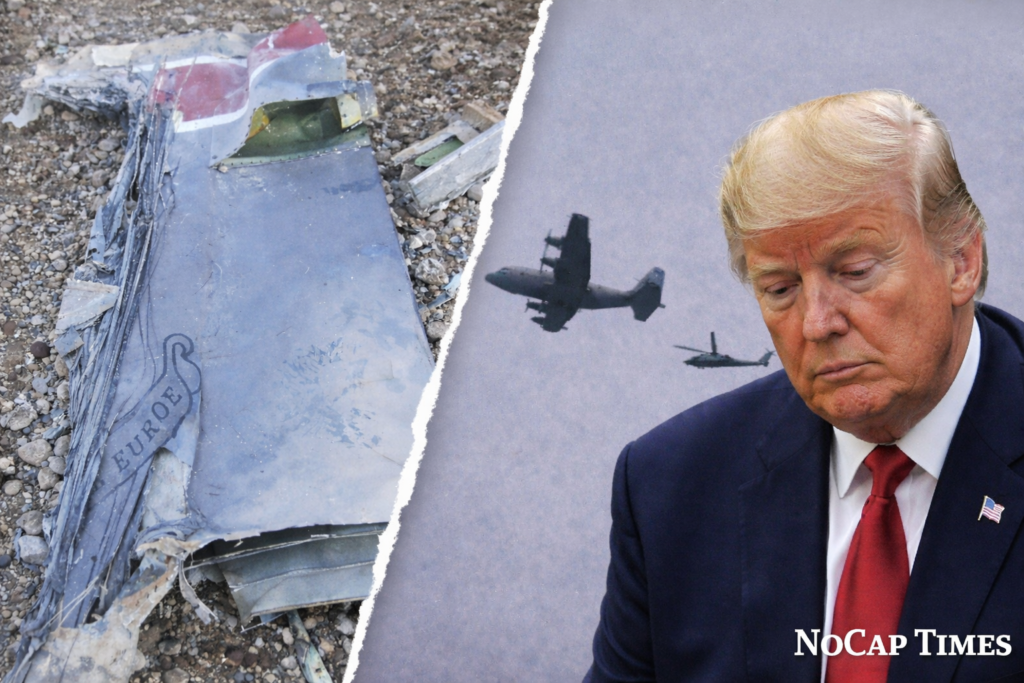
The Downing of the F-15E Strike Eagle
A Powerful Aircraft Taken Down
One of the most significant losses reported was that of an F-15E Strike Eagle, a highly advanced two-seat fighter-bomber known for its precision strike capabilities and long-range missions. The aircraft was reportedly operating over southwestern Iran when it came under fire from Iranian air defense systems.
Iranian state media claimed responsibility for the downing and even released images allegedly showing debris from the aircraft. While independent verification remains ongoing, US officials have acknowledged the loss and confirmed that the aircraft’s crew had to eject.
Rescue Operation and Missing Airman
In a daring rescue mission, US special forces managed to locate and extract one crew member from hostile territory. The rescued airman is currently receiving medical treatment and is said to be in stable condition.
However, the second crew member remains missing, prompting an urgent and highly sensitive combat search-and-rescue (CSAR) operation. The search is being carried out under extreme risk, as Iranian forces and local civilians have reportedly been mobilized to locate the missing individual.
Iranian Response and Civilian Involvement
Iran’s response to the downing has been both aggressive and strategic. Authorities have reportedly encouraged civilians in certain regions to assist in locating the missing US airman. In some cases, incentives or rewards have been offered, raising serious concerns about the safety and treatment of the missing personnel.
Videos circulating online show groups of civilians and security forces combing through rugged terrain, intensifying fears that the situation could escalate further if the airman is captured.
Black Hawk Helicopters Targeted During Rescue Mission
High-Risk Rescue Operations Under Fire
As part of the rescue effort, US forces deployed UH-60 Black Hawk helicopters into Iranian airspace. These helicopters, known for their versatility in combat and rescue missions, were tasked with locating and extracting the downed crew.
However, both helicopters reportedly came under fire from Iranian forces. Despite sustaining damage and minor injuries among crew members, the pilots successfully navigated the aircraft back to safety.
Challenges of Operating in Hostile Airspace
The attack on the Black Hawks underscores the immense challenges faced by rescue teams operating in contested regions. Even with advanced technology and training, such missions carry significant risks due to layered air defense systems and unpredictable ground threats.
US warplanes downed Iran: A-10 Warthog Also Hit in Combat Zone
Another Aircraft Lost
In another blow to US air operations, an A-10 Thunderbolt II—popularly known as the “Warthog”—was also hit during the conflict. The aircraft, designed for close air support missions, was operating in or near the Persian Gulf region when it was struck.
The pilot managed to eject safely and was later rescued without serious injuries. However, the loss of yet another aircraft within a short span highlights the intensity of Iranian resistance.
Why the A-10 Is Vulnerable
Despite its heavy armor and powerful weaponry, the A-10 operates at lower altitudes, making it more susceptible to ground-based threats such as portable air defense systems. This vulnerability becomes even more pronounced in heavily defended zones.
Understanding the Broader US-Iran Conflict: How US warplanes downed by Iran
Origins of the Current Escalation
The current conflict traces its roots to a series of Israeli strikes on Iranian targets, which eventually led to direct US involvement. Since then, the situation has escalated into a full-scale military campaign involving airstrikes, missile launches, and cyber warfare.
Iran’s Defensive Capabilities
Despite sustained bombardment, Iran has demonstrated resilience through its integrated air defense systems. These systems, combined with challenging terrain, provide a significant advantage in defending against aerial attacks.
Iran’s military forces, including the Islamic Revolutionary Guard Corps, have claimed several successful interceptions of US aircraft, boosting domestic morale and signaling their capability to counter advanced military technology.
Combat Search and Rescue – A Race Against Time
How CSAR Missions Work
Combat search-and-rescue missions are among the most complex military operations. Downed pilots are equipped with survival gear, communication devices, and training that help them evade capture while awaiting rescue.
Special operations teams, supported by intelligence and surveillance systems, work tirelessly to locate and extract personnel from hostile environments.
Humanitarian and Legal Concerns
The involvement of civilians in the search for the missing airman raises serious ethical and legal questions. Under international humanitarian law, captured combatants must be treated humanely, but the current situation adds uncertainty to the outcome.
Strategic and Global Implications
Impact on Military Strategy
The loss of multiple aircraft in a single day represents a significant setback for US forces. While the US military has the resources to recover quickly, such incidents can affect operational planning and troop morale.
H3: Regional and Economic Consequences
The conflict’s impact extends beyond the battlefield. The Strait of Hormuz, a critical global oil transit route, is at risk of disruption. Any escalation in this region could lead to a surge in oil prices and affect global markets.
Countries across the Middle East and beyond are closely monitoring the situation, as the potential for a wider conflict looms large.
What Lies Ahead?
As the search for the missing US airman continues, the world watches closely. Military analysts warn that the situation could escalate further if additional assets are lost or if personnel are captured.
Diplomatic efforts appear limited at this stage, with both sides maintaining strong positions. The coming days will be crucial in determining whether the conflict intensifies or moves toward de-escalation.
Conclusion – A Defining Moment in Modern Warfare
The downing of US warplanes over Iran marks a pivotal moment in the ongoing Middle East conflict. It highlights the risks of advanced warfare, the resilience of defensive systems, and the human cost of military operations.
As rescue teams continue their efforts and tensions remain high, this episode serves as a stark reminder that even in an era of cutting-edge technology, warfare ultimately depends on the courage and survival of individuals on the ground.
Disclaimer
This article is based on official statements and publicly available information at the time of publication. The global energy situation is dynamic and may change with evolving geopolitical developments.
The content is intended for informational purposes only and should not be considered financial or policy advice. Readers are encouraged to refer to official sources for the latest updates.
NoCap Times does not independently verify all claims and shall not be held responsible for any inaccuracies or omissions.