

Is Saudi Arabia Shaping Trump’s Iran Strategy? Crown Prince MBS Reportedly Urges Sustained Pressure on Tehran as a “Historic Opportunity” to Reshape the Middle East
Riyadh/Washington, March 25, 2026: As the West Asia conflict enters its fourth week with a fragile five-day US pause on strikes against Iranian energy infrastructure, questions are mounting over the extent to which Saudi Arabia’s de facto ruler, Crown Prince Mohammed bin Salman (MBS), is influencing President Donald Trump’s approach. According to multiple reports citing US officials briefed on private conversations, the Saudi crown prince has urged the US to maintain military pressure on Iran, viewing the current campaign as a rare chance to fundamentally alter the regional power balance by weakening or dismantling Tehran’s hard-line regime.
The New York Times, citing people familiar with the discussions, reported that over the past week Prince Mohammed conveyed to Trump that halting operations prematurely would be a strategic mistake. He reportedly argued that Iran’s leadership poses a persistent existential threat to Gulf security that can only be neutralised through decisive action, including potential strikes on energy infrastructure to undermine the regime’s economic base. In some conversations, the possibility of more aggressive steps — such as US ground operations to seize key Iranian oil facilities like Kharg Island — was even discussed, though such ideas are considered highly risky and logistically challenging.
This reported Saudi stance contrasts with Israel’s position. Israeli Prime Minister Benjamin Netanyahu has long viewed Iran as an existential threat and appears open to outcomes that leave Tehran significantly weakened or internally unstable. Saudi Arabia, however, harbours deeper concerns about the chaos that could follow a sudden collapse of the Iranian state, including risks of militant factions, refugee flows, or rogue elements targeting Gulf oil assets. Riyadh has already faced direct Iranian missile and drone attacks that have caused casualties, damaged civilian infrastructure, and forced reliance on Patriot missile defences amid limited global interceptor supplies.
Publicly, Saudi officials have rejected any notion that the kingdom is pushing for prolonged conflict. In a statement, the Saudi government emphasised its consistent support for a peaceful resolution, saying: “The kingdom of Saudi Arabia has always supported a peaceful resolution to this conflict, even before it began.” It added that officials remain in close contact with the Trump administration and that the primary concern is defending against daily attacks on Saudi people and infrastructure. “Iran has chosen dangerous brinkmanship over serious diplomatic solutions. This harms every stakeholder involved but none more than Iran itself,” the statement noted.
Despite the public emphasis on peace, sources indicate private messaging has been more hawkish. Prince Mohammed is said to fear that a partial or inconclusive campaign could embolden Iran, leaving Gulf states vulnerable to future attacks without robust US backing. This calculation is shaped by past experiences, including the 2019 drone and missile strikes on Saudi oil facilities linked to Iran, which temporarily disrupted production and exposed vulnerabilities in regional security assurances. By 2023, Saudi Arabia had restored diplomatic ties with Iran partly due to doubts about long-term US commitment, a move followed by other Gulf states like the UAE. The current war has shattered that fragile détente, with Saudi Foreign Minister Prince Faisal bin Farhan stating that “what little trust there was before has completely been shattered.”
Diverging Regional Calculations and Risks of Escalation
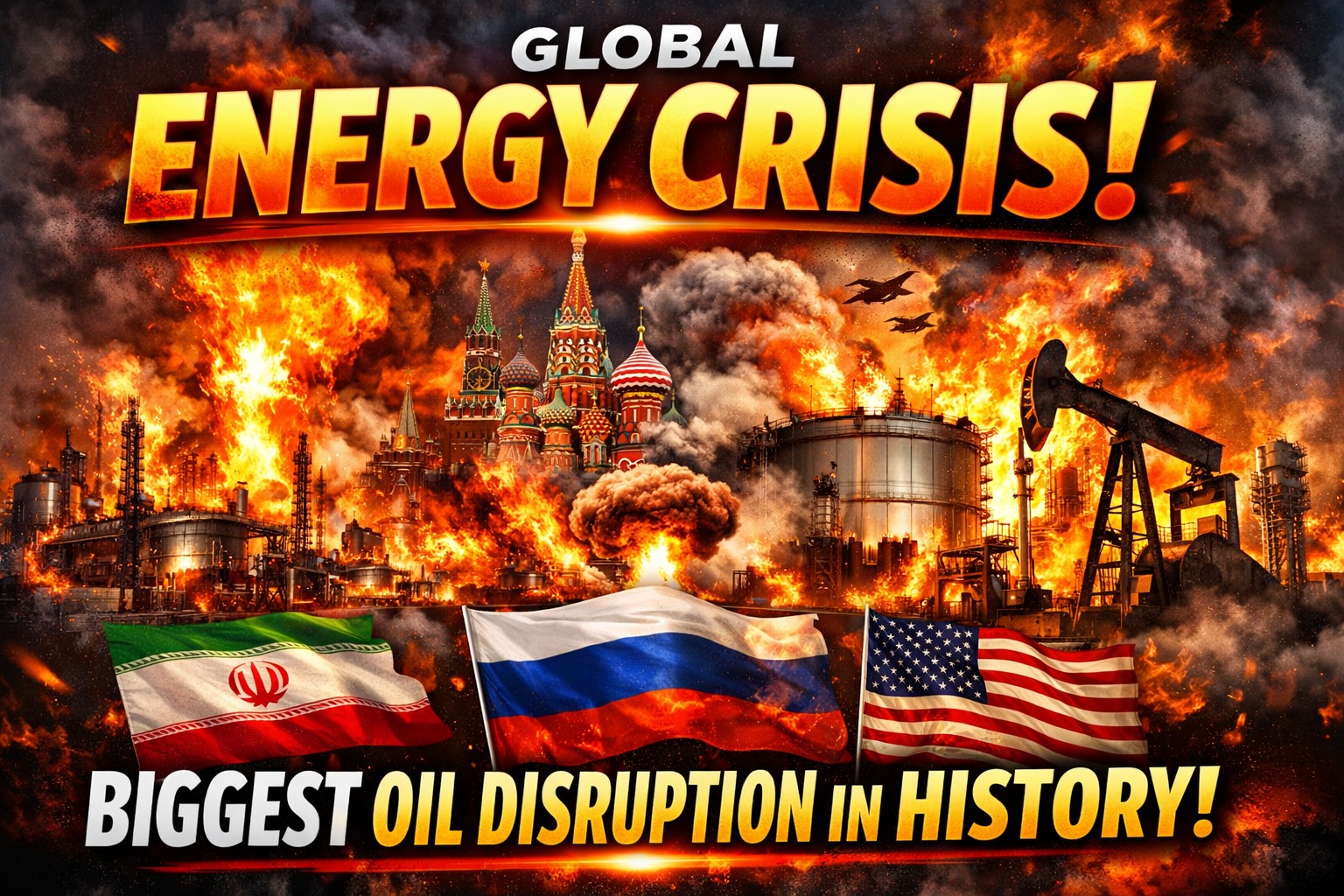
The reported Saudi influence comes against a backdrop of Trump’s inconsistent public messaging. The US president has alternated between optimism about “productive conversations” with Iran — claiming both sides want a deal — and hints of further escalation. Tehran has flatly denied direct negotiations, with officials labelling such claims as market-manipulation tactics. Meanwhile, oil prices have fluctuated sharply; Brent crude recently slipped below $100 per barrel on hopes of de-escalation, but prolonged Hormuz disruptions continue to threaten global energy markets.
For Saudi Arabia, the stakes are enormous. Iranian retaliation has already targeted Gulf infrastructure, and any further escalation risks broader economic fallout. Alternative export routes, including Saudi Arabia’s East-West Pipeline to Yanbu on the Red Sea, offer partial relief but cannot fully replace Hormuz volumes. Aramco has warned of “catastrophic consequences” for global oil markets if shipping restrictions persist.
US officials and analysts remain sceptical about achieving full regime change in Iran. Despite heavy losses among Iranian leadership and military capabilities from US-Israeli strikes, the government in Tehran has shown resilience. Even a weakened Iran could spawn new threats from militant groups or proxies, potentially directing attacks toward Saudi oil facilities or other Gulf targets.
Broader Context: Diplomacy, Shipping, and India’s Concerns
The reported Saudi push for sustained pressure occurs as other diplomatic tracks gain momentum. Pakistan’s Prime Minister Shehbaz Sharif has offered to host talks, while Indian Prime Minister Narendra Modi and President Trump have jointly stressed the need for the Strait of Hormuz to remain open, secure, and accessible. Modi assured Parliament that India’s strategic petroleum reserves exceed 53 lakh metric tonnes (with expansion plans underway) and that diversified imports from over 40 countries are helping mitigate risks. Five India-flagged LPG tankers carrying 2.3 lakh tonnes remain west of Hormuz, though two vessels recently transited successfully.
An all-party meeting in New Delhi today, chaired by Defence Minister Rajnath Singh, is expected to review the situation, with External Affairs Minister S Jaishankar likely attending. The government has formed seven empowered groups to manage fuel, fertiliser, and supply chain challenges.
Outlook: Balancing Pressure and De-escalation
As the five-day US pause unfolds, the interplay between Saudi concerns, Israeli objectives, and Trump’s negotiating style will shape the next phase. Riyadh appears caught between a desire to decisively reduce the Iranian threat and the risks of prolonged war or state collapse. Publicly committed to peace, Saudi Arabia privately seems to favour continued leverage to prevent Iran from emerging emboldened.
Experts caution that any strategy must weigh the humanitarian and economic costs. A full-scale ground operation or seizure of Iranian oil assets could trigger wider regional chaos, refugee crises, and energy blackouts. Conversely, an abrupt halt without ironclad guarantees could leave Gulf states exposed to future Iranian aggression.
For now, the focus remains on backchannel diplomacy, including potential talks facilitated by Pakistan or others. Whether Crown Prince Mohammed’s reported advocacy sways Trump toward sustained pressure or whether the pause evolves into a broader ceasefire will have profound implications for the Middle East’s future order, global energy security, and the safety of millions across the region.
As markets, diplomats, and citizens watch closely, the coming days will test whether military pressure can deliver lasting stability — or whether renewed talks offer the only viable path forward.
Disclaimer
This article is based on official statements and publicly available information at the time of publication. The global energy situation is dynamic and may change with evolving geopolitical developments.
The content is intended for informational purposes only and should not be considered financial or policy advice. Readers are encouraged to refer to official sources for the latest updates.
NoCap Times does not independently verify all claims and shall not be held responsible for any inaccuracies or omissions.