

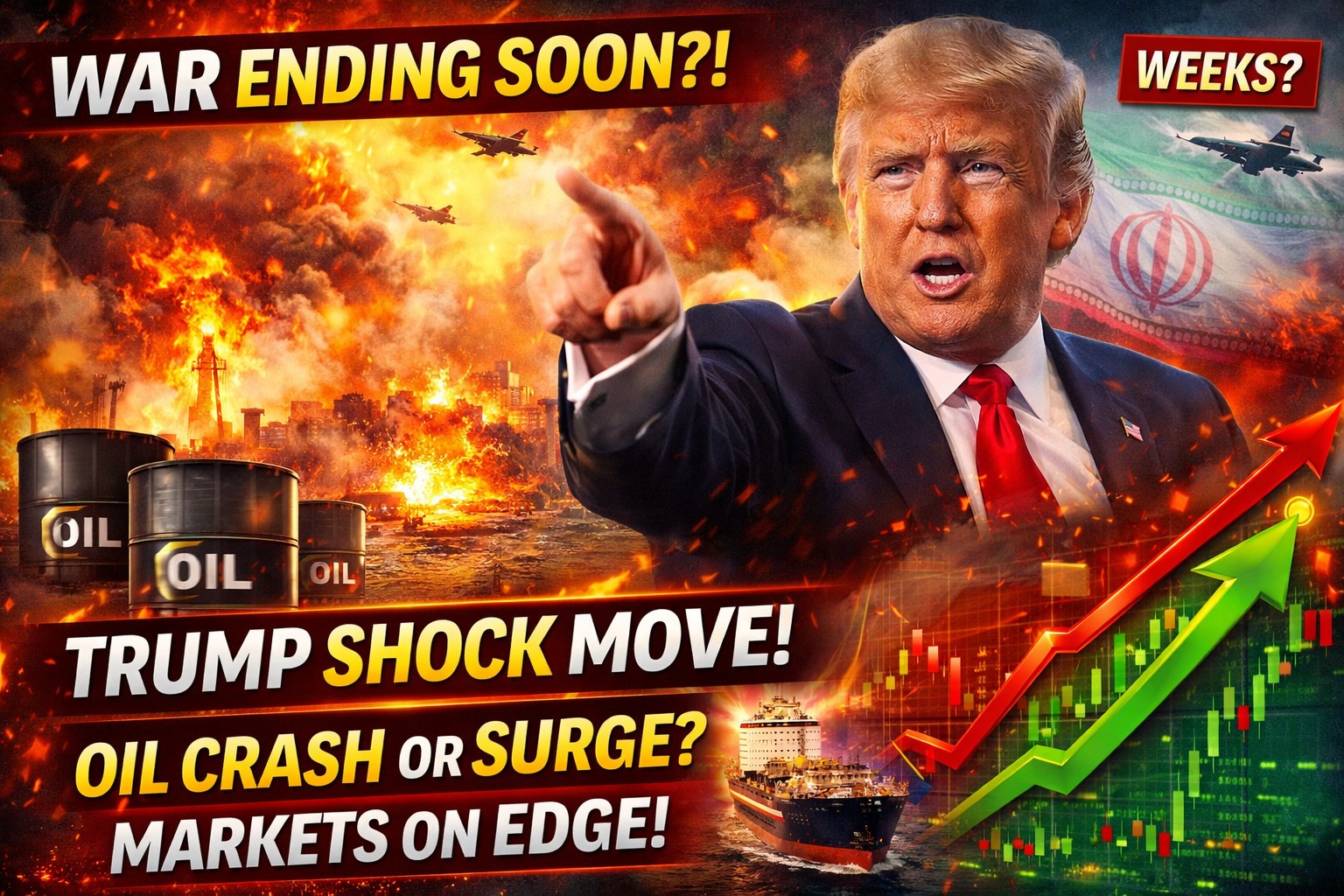
Trump Signals Possible End to Iran Military Operations Within Weeks: Global Markets, Oil Routes, and Rising Tensions
The geopolitical landscape in the Middle East has once again taken center stage as U.S. President Donald Trump indicated that Iran military operations may conclude within a matter of weeks, according to media reports. His statement has triggered widespread debate across diplomatic, economic, and defense circles, especially given the fragile stability of the region and its crucial role in global energy supply.
This development comes amid heightened tensions, ongoing military engagements, and fluctuating global oil prices. While Trump’s remarks suggest a possible de-escalation, uncertainties remain regarding Iran’s stance, regional security, and the long-term implications for global markets.
Trump’s Statement: A Possible End in Sight?
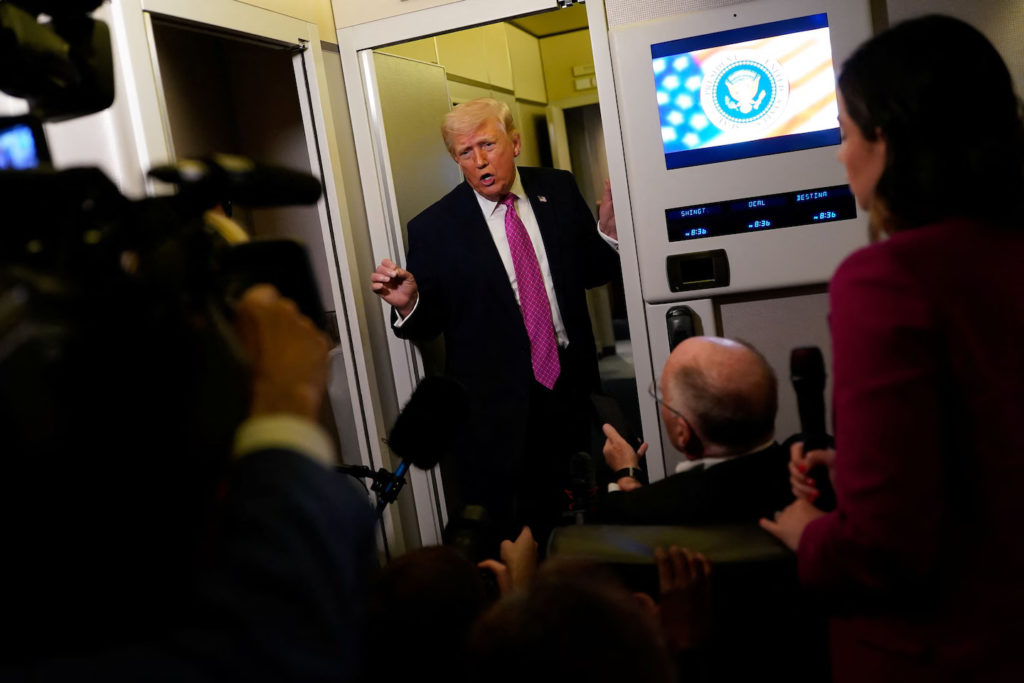
In a recent announcement, Donald Trump expressed optimism that U.S. military operations in Iran could wrap up within two to three weeks. This statement aligns with the White House’s preparations for a prime-time address, aimed at clarifying the administration’s strategy and future course of action.
However, Trump’s tone reflects a mix of optimism and frustration. He criticized allied nations for their limited support during the conflict, urging them to take greater responsibility—particularly when it comes to securing vital trade routes and managing their own energy needs.
Iran Military Operations Impact: A Shift in Responsibility
One of the most significant takeaways from Trump’s statement is his emphasis on shifting the responsibility of securing the Strait of Hormuz to Gulf and other oil-dependent nations. This marks a potential change in U.S. foreign policy, where Washington may reduce its direct involvement in safeguarding global energy corridors.
Trump’s stance also reflects his broader “America First” policy approach—encouraging allies to become more self-reliant rather than depending on U.S. military protection.
Iran’s Response: Diplomatic Signals Without Trust
Iran has responded cautiously to recent developments. In an interview with Al Jazeera, Iranian Foreign Minister Abbas Araghchi confirmed receiving communications from U.S. Middle East envoy Steve Witkoff. However, he made it clear that these exchanges should not be interpreted as formal negotiations.
“Trust Level is Zero”
Araghchi’s statement underscores the deep mistrust between the two nations. According to him, the current level of trust between Iran and the United States is “zero,” casting serious doubts on the possibility of meaningful diplomatic breakthroughs in the near future.
This skepticism highlights the complexity of the situation. While there may be backchannel communications, the absence of trust continues to be a major barrier to any lasting resolution.
Strategic Importance of the Strait of Hormuz
At the center of this geopolitical tension lies the Strait of Hormuz—a narrow but crucial maritime passage that connects the Persian Gulf to the global ocean.
Why the Strait of Hormuz Matters
- Nearly 20% of the world’s oil supply passes through this route
- It is essential for oil exports from countries like Saudi Arabia, UAE, Iraq, and Kuwait
- Any disruption can trigger global energy crises and price shocks
Trump’s suggestion that the U.S. will not take responsibility for its future security has raised concerns among global stakeholders. If regional nations fail to maintain stability in the strait, it could lead to severe disruptions in oil supply chains.
Iran Military Operations: Impact on Global Oil Prices and Fuel Costs
The ongoing conflict has already influenced global oil markets. Initially, fears of escalation pushed oil prices higher, but Trump’s recent remarks about a possible end to military operations have led to a decline in crude oil prices.
Recent Market Trends
- Brent crude dropped below $100 per barrel
- U.S. benchmark crude also saw a decline
- Gas prices in the United States had earlier surged past $4 per gallon for the first time since 2022
These fluctuations highlight how sensitive global markets are to geopolitical developments. Even minor signals of de-escalation can lead to significant price corrections.
Positive Momentum in Asian Markets
Asian stock markets responded positively to the news of potential de-escalation. Investors, hopeful that tensions might ease, pushed major indices upward.
Key Market Movements During Iran Military Operations
- South Korea’s Kospi surged significantly
- Japan’s Nikkei 225 recorded strong gains
- Hong Kong’s Hang Seng index also moved upward
This upward trend reflects renewed investor confidence, driven by expectations of reduced geopolitical risk and stabilized energy prices.
Escalating Ground Incidents: A Contradiction?
Despite optimistic signals from Washington, the situation on the ground remains volatile. Several recent incidents indicate that hostilities are far from over.
Iran Military Operations Update: Airstrike in Tehran
An airstrike reportedly targeted the former U.S. Embassy compound in Tehran—an iconic location that has remained under Iranian control since the 1979 hostage crisis. Although no major structural damage was reported, the symbolic significance of the strike is noteworthy.
Iran Military Operations Update: Missile Attack on Oil Tanker
In a separate incident, an Iranian cruise missile struck a tanker linked to Qatar. Fortunately, the crew was safely evacuated, and no casualties were reported. Qatar’s defense authorities also confirmed intercepting additional missiles during the attack.
Expanding Conflict: Houthi Involvement Amid Iran Military Operations
The situation has further escalated with the involvement of Iran-backed Houthi forces. These groups have reportedly launched ballistic missiles toward southern Israel, triggering air raid sirens.
This marks the third such attack since their entry into the conflict, signaling a broader regional escalation that could draw in more actors.
Civilian Casualties and Human Impact
As with most conflicts, civilians continue to bear the brunt of the violence.
Reported Casualties Amid Iran Military Operations
- A missile strike in Israel injured three individuals, including two children
- An 11-year-old girl sustained serious injuries
- A drone attack in the UAE killed a Bangladeshi national
- The regional civilian death toll has reportedly risen to nine
These incidents highlight the human cost of the conflict, which often gets overshadowed by geopolitical narratives.
Rising Regional Tensions and Travel Restrictions Due to Iran Military Operations
In response to the escalating situation, several countries in the Middle East have taken precautionary measures.
Airline Restrictions
Major airlines in the UAE—including Emirates, Etihad, and FlyDubai—have imposed restrictions on Iranian travelers. This move reflects growing concerns over security and diplomatic tensions.
Institutional Closures Due to Iran Military Operations
Authorities in Dubai have also taken steps to shut down certain Iranian institutions within the emirate, further straining bilateral relations.
Broader Economic Implications
The ripple effects of the conflict extend beyond oil markets. Analysts warn that prolonged instability could impact:
- Global supply chains
- Food prices (due to increased transportation costs)
- Inflation rates worldwide
- Investor confidence in emerging markets
If tensions persist, these economic consequences could have long-term implications for both developed and developing economies.
What Lies Ahead?
While Trump’s statement offers hope for a near-term resolution, several uncertainties remain:
- Will Iran agree to de-escalate without formal negotiations?
- Can regional nations effectively secure critical trade routes?
- Will proxy groups like the Houthis continue their involvement?
- How will global markets react to further developments?
The answers to these questions will determine whether the conflict moves toward resolution or further escalation.
Conclusion
The ongoing Iran conflict represents a complex interplay of military strategy, diplomatic signaling, and economic consequences. President Trump’s prediction of a possible end to military operations within weeks has injected cautious optimism into global markets.
However, the ground reality tells a different story—marked by continued attacks, civilian casualties, and rising regional tensions. The future of the Strait of Hormuz, global oil supply, and international diplomacy hangs in the balance.
As the world watches closely, the coming weeks will be critical in shaping not just the outcome of this conflict, but also the broader geopolitical order in the Middle East.
Summary
U.S. President Donald Trump has suggested that military operations in Iran could end within two to three weeks, signaling a potential de-escalation. He emphasized that countries dependent on the Strait of Hormuz should take responsibility for its security. While global markets responded positively with falling oil prices and rising Asian stocks, tensions remain high on the ground with continued missile strikes, regional involvement, and civilian casualties. Iran has expressed skepticism toward U.S. intentions, stating that trust levels are nonexistent. The situation remains uncertain, with significant implications for global energy markets, regional stability, and international diplomacy.
Disclaimer
This article is based on official statements and publicly available information at the time of publication. The global energy situation is dynamic and may change with evolving geopolitical developments.
The content is intended for informational purposes only and should not be considered financial or policy advice. Readers are encouraged to refer to official sources for the latest updates.
NoCap Times does not independently verify all claims and shall not be held responsible for any inaccuracies or omissions.