

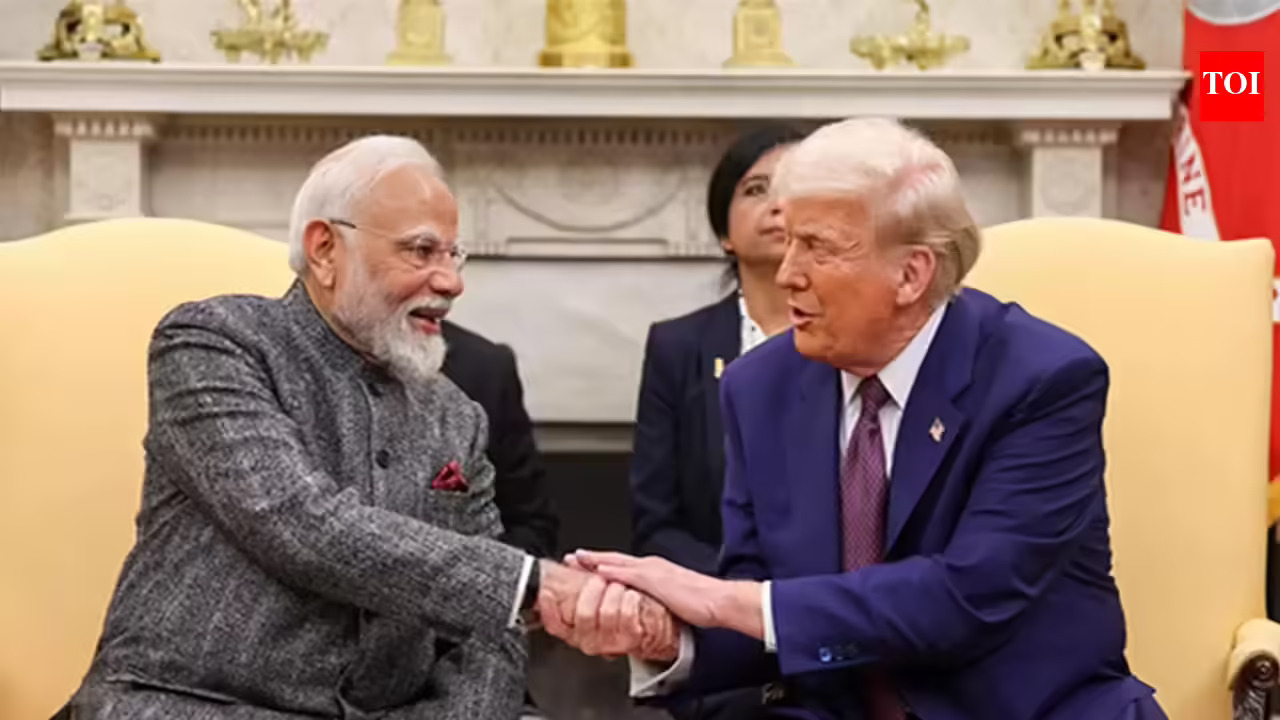
President Trump Hails PM Modi’s ‘Historic and Decisive’ Bengal Victory, Signals Stronger India–US Ties
In a significant diplomatic gesture, former US President Donald Trump has extended his congratulations to Indian Prime Minister Narendra Modi following the Bharatiya Janata Party’s (BJP) sweeping electoral success in West Bengal. Calling the outcome “historic and decisive,” Trump’s message underscores the growing importance of India’s domestic political developments on the global stage and highlights the evolving trajectory of India–United States relations.
A Rare Gesture for a State Election
Traditionally, US presidents reserve their formal congratulatory messages for India’s general elections or major national milestones. Trump’s decision to publicly commend Modi for a state-level victory marks a departure from diplomatic convention, reflecting both the scale of the BJP’s triumph and the strategic weight India now holds in global geopolitics.
The message, conveyed through White House spokesperson Kush Desai, emphasized Trump’s admiration for Modi’s leadership. According to Desai, Trump had recently expressed during a phone call that India is “fortunate” to have Modi at the helm, reaffirming a personal rapport that has defined much of the relationship between the two leaders.
This unusual diplomatic move suggests that the West Bengal election result is being viewed not merely as a regional political event, but as a broader indicator of political stability and leadership continuity in one of the world’s fastest-growing major economies.
Reflecting on a Strong Political Mandate
The BJP’s victory in West Bengal is widely seen as a major political milestone. The state, long considered a challenging battleground for the party, has now emerged as a key stronghold. Political analysts interpret the result as a reaffirmation of Modi’s enduring popularity and the BJP’s expanding national footprint.
The election outcome carries implications beyond domestic politics. A decisive mandate strengthens Modi’s position on the global stage, enabling him to negotiate from a position of confidence in matters ranging from trade to security cooperation.
Trump’s congratulatory message aligns with this perception, implicitly acknowledging the broader geopolitical significance of the result.
A History of Diplomatic Exchanges
The latest development follows a series of interactions between Trump and Modi over the past year. Notably, the two leaders held an extensive phone conversation last month, during which they discussed a range of strategic issues, including developments in West Asia and the security of the Strait of Hormuz.
Sharing details of the conversation on X (formerly Twitter), Modi highlighted the importance of maintaining stability in global energy corridors and emphasized the need to keep the Strait open and secure. The discussion reflected a shared concern over disruptions that could impact global oil supplies and economic stability.
The exchange also underscored the continued relevance of the India–US partnership in addressing complex international challenges.
Navigating a Period of Strain
Despite the current positive tone, India–US relations have experienced periods of tension in recent years. One of the most significant flashpoints emerged when the Trump administration imposed steep tariffs on Indian imports, including a 50% duty alongside a 25% penalty linked to India’s purchase of Russian energy resources.
These measures triggered concerns in New Delhi, with policymakers viewing them as a challenge to India’s economic sovereignty. Additionally, Trump’s outreach to Pakistan’s military leadership and his remarks about mediating a ceasefire between India and Pakistan following Operation Sindoor added to diplomatic friction.
Such developments created a complex backdrop for bilateral relations, testing the resilience of ties between the two nations.
Gradual Easing of Tensions
However, the relationship began to stabilize in the latter half of 2025. A key turning point came when Trump personally reached out to Modi to extend birthday wishes on his 75th birthday. This gesture marked the beginning of a renewed phase of engagement, characterized by frequent communication and diplomatic outreach.
Subsequent months saw a series of phone calls between the two leaders, alongside intensified efforts to resolve outstanding trade issues. Delegations from both countries engaged in negotiations aimed at crafting a mutually beneficial trade agreement.
These efforts culminated in a landmark deal in February, signaling a willingness on both sides to move beyond past disagreements and focus on shared economic interests.
Expanding Strategic and Defense Cooperation
The revival of India–US relations has been accompanied by a surge in high-level visits and strategic exchanges. Senior defense officials, including Indian Air Force Chief AP Singh and Army Chief Upendra Dwivedi, have engaged with their American counterparts to strengthen military cooperation.
On the US side, key figures such as Stephen Whiting have visited India, highlighting the growing importance of collaboration in emerging domains like space and cyber security.
Diplomatic engagement has also intensified, with Deputy Secretary of State Christopher Landau visiting India in March. Meanwhile, Secretary of State Marco Rubio is expected to visit later this month, further reinforcing the momentum in bilateral ties.
The Strategic Importance of the India–US Partnership
The renewed warmth in India–US relations comes at a time of shifting global dynamics. Both nations share common interests in ensuring stability in the Indo-Pacific region, countering emerging security threats, and fostering economic growth.
India’s rise as a major global player has made it an indispensable partner for the United States. For Washington, strengthening ties with New Delhi is seen as crucial for maintaining a balance of power in Asia.
For India, collaboration with the US offers access to advanced technology, investment opportunities, and a platform to amplify its voice on the global stage.
Trump’s congratulatory message, therefore, carries significance beyond its immediate context. It reflects a broader recognition of India’s growing influence and the importance of maintaining strong bilateral ties.
Political Optics and Global Messaging
From a political standpoint, Trump’s remarks also serve as a signal to both domestic and international audiences. By praising Modi’s leadership and acknowledging the BJP’s electoral success, Trump reinforces his image as a leader who values strong alliances and decisive governance.
For Modi, the message adds to his global stature, portraying him as a leader who commands respect and recognition from major world powers.
The exchange highlights how domestic political developments can have far-reaching implications in the realm of international diplomacy.
Looking Ahead: Opportunities and Challenges
While the current trajectory of India–US relations appears positive, challenges remain. Trade disputes, geopolitical differences, and regional complexities will continue to test the partnership.
However, the willingness of both leaders to engage in dialogue and find common ground offers a strong foundation for future cooperation.
As global uncertainties persist, the importance of stable and mutually beneficial partnerships cannot be overstated. The India–US relationship, bolstered by shared values and strategic interests, is well-positioned to navigate these challenges.
Conclusion
Donald Trump’s congratulatory message to Narendra Modi following the BJP’s decisive victory in West Bengal marks a notable moment in diplomatic relations. It underscores the growing global significance of India’s political landscape and highlights the evolving partnership between two of the world’s largest democracies.
From navigating trade tensions to expanding strategic cooperation, India and the United States have demonstrated a capacity to adapt and strengthen their ties. As both nations look to the future, the focus will remain on building a partnership that delivers mutual benefits and contributes to global stability.
The West Bengal election result, while rooted in domestic politics, has thus become a symbol of broader geopolitical dynamics—one that continues to shape the contours of international relations in the 21st century.
Disclaimer:
This article is based on publicly available information, official statements, and media reports available at the time of publication. The content is intended for informational purposes only and should not be considered financial or policy advice. Readers are encouraged to refer to official sources for the latest updates.
The content is solely for educational and informational purposes. Whether it is global news, indian news, political news or any other sort of content, we do not independently verify the content or claims.
While efforts have been made to ensure accuracy, the information presented may change as new developments emerge. Readers are advised to conduct their own research and consult financial advisors before making any investment decisions.
NoCap Times does not independently verify all claims or statements and shall not be held responsible for any inaccuracies or omissions.
Stay updated with the latest and breaking news on NoCap Times. Get the latest India News, World News, Business News, Sports News, Viral News and Research Articles for various competitive Exams & UPSC Aspirants.