
Iran Accuses United States of “Modern-Day Piracy” After Oil Tanker Seizures in Indian Ocean
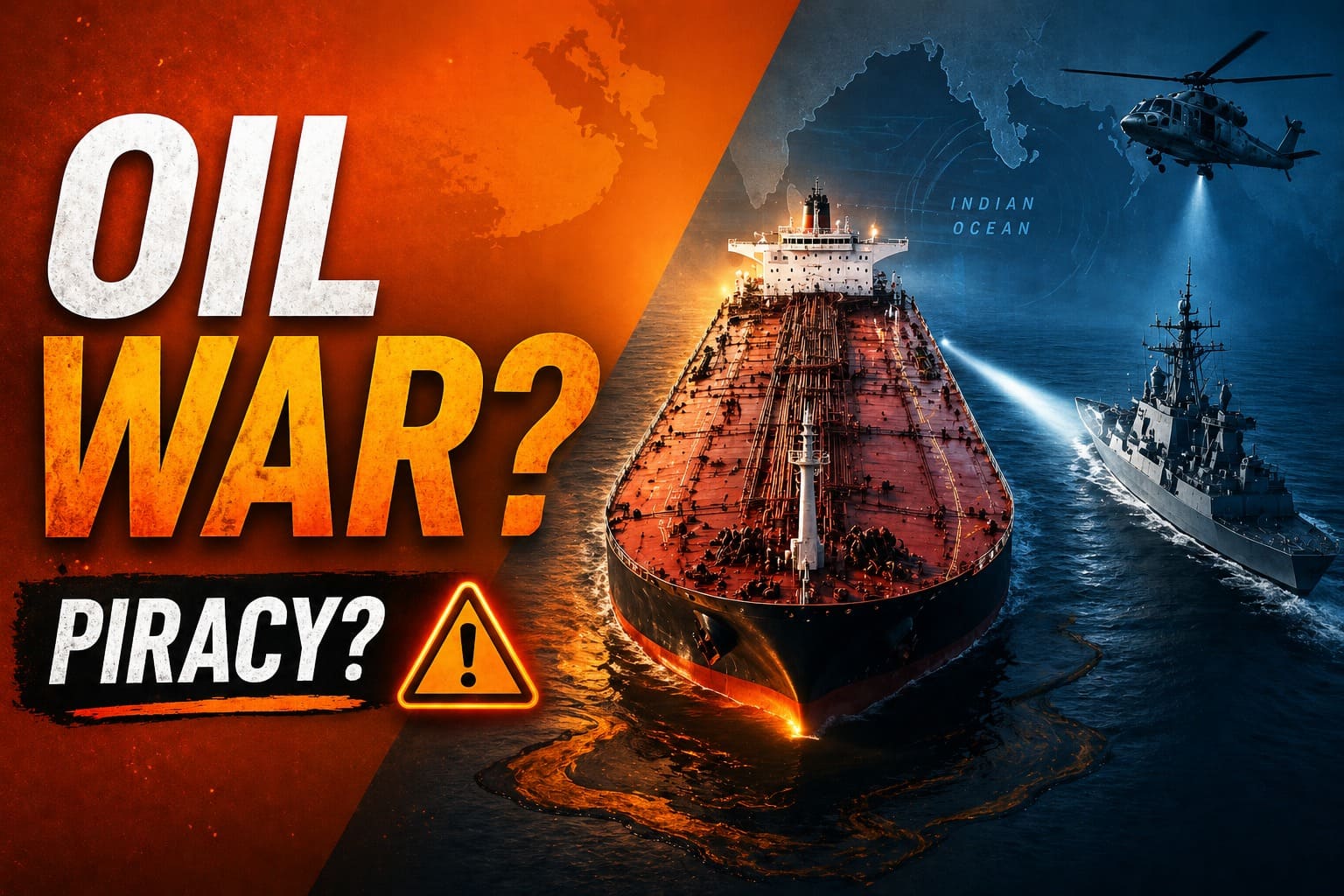
Tensions between Iran and the United States have escalated sharply following the seizure of two oil tankers in the Indian Ocean. The incident has sparked a war of words, with Tehran accusing Washington of engaging in what it described as “state-backed piracy” under the guise of legal enforcement.
The controversy revolves around the interception of vessels allegedly transporting Iranian crude oil, an act that US authorities say is part of their ongoing efforts to enforce sanctions. However, Iranian officials argue that such actions violate international maritime law and threaten global trade stability.
Iran’s Strong Reaction: “Return of the Pirates”
Iran’s Foreign Ministry spokesperson, Esmaeil Baqaei, strongly condemned the US actions, calling them a blatant breach of international law. In a sharply worded statement, he compared the seizures to piracy, suggesting that such practices resemble historical acts of looting on the high seas.
Baqaei argued that the situation reflects a dangerous precedent where powerful nations justify maritime seizures through legal frameworks that lack global consensus. According to him, this undermines trust in international systems designed to regulate global trade and navigation.
He also warned that such actions could destabilize maritime security and disrupt already fragile supply chains, particularly in energy markets.
US Justification: Enforcing Sanctions and Targeting “Dark Fleet” Operations
On the other side, the United States has defended its actions as lawful enforcement of sanctions against Iran. US authorities maintain that the vessels were part of a network involved in transporting sanctioned oil through covert means.
Jeanine Pirro, a US attorney, stated that the tanker M/T Majestic—previously known as M/T Phoenix—was intercepted under a federal warrant. The vessel was reportedly carrying approximately 1.9 million barrels of Iranian crude oil.
A second tanker, M/T Tifani, was also seized earlier, allegedly transporting a similar quantity of oil. According to US officials, these operations are part of a broader strategy to identify, track, and disrupt illicit maritime trade networks linked to sanctioned entities.
Washington has emphasized that such measures are necessary to enforce international sanctions and prevent unauthorized oil sales that could undermine global regulatory systems.
Expanding Maritime Operations Beyond the Strait of Hormuz
One notable aspect of the recent seizures is the expansion of US maritime operations beyond the Strait of Hormuz. Traditionally, this narrow passage has been a focal point of geopolitical tensions due to its strategic importance in global energy transportation.
However, recent actions indicate that US forces are increasingly operating in open waters, including the broader Indian Ocean region. Analysts suggest that this shift is aimed at reducing risks associated with threats such as naval mines and potential military confrontations in congested waterways.
While this strategy may offer operational advantages, it also raises concerns about jurisdiction and the scope of enforcement in international waters.
Impact on Global Oil Supply and Energy Markets
The seizure of oil tankers has added to existing uncertainties in global energy markets. The Strait of Hormuz, through which nearly one-fifth of the world’s oil supply passes, has already experienced reduced traffic due to rising tensions.
Any disruption in this region can have far-reaching consequences, including:
- Increased oil prices
- Supply chain disruptions
- Reduced investor confidence
- Heightened geopolitical risk
The latest developments have contributed to a broader sense of instability, particularly at a time when global markets are already dealing with fluctuating demand and supply challenges.
Legal Debate: Piracy or Law Enforcement?
At the heart of the controversy lies a fundamental legal question: are these actions legitimate enforcement of sanctions, or do they constitute piracy under international law?
Iran’s Perspective:
Iran argues that seizing vessels in international waters without multilateral approval violates principles of sovereignty and freedom of navigation. It views the US actions as unilateral and inconsistent with established maritime norms.
US Perspective:
The United States maintains that its actions are backed by domestic legal authority and international sanctions frameworks. It argues that vessels involved in illicit trade can be lawfully intercepted, especially when linked to sanctioned activities.
Expert Opinion:
Legal experts are divided. Some believe that enforcement of sanctions in international waters is a gray area, requiring clearer global guidelines. Others argue that such actions risk setting precedents that could be misused by other nations.
Broader Geopolitical Context
The tanker seizures come at a time of heightened tensions between Iran and the United States. The relationship between the two countries has been strained for years due to issues such as nuclear agreements, economic sanctions, and regional conflicts.
Recent developments suggest that maritime enforcement is becoming a key aspect of this rivalry. By targeting oil shipments, the US aims to limit Iran’s revenue streams, while Iran views these actions as economic warfare.
The situation is further complicated by the involvement of other global players who rely on stable energy supplies and secure shipping routes.
Risks to Maritime Security
The escalation of tensions in international waters raises serious concerns about maritime security. Increased military presence, vessel interceptions, and legal disputes could lead to unintended consequences, including:
- Accidental confrontations between naval forces
- Increased insurance costs for shipping companies
- Disruptions in global trade routes
- Reduced confidence in international maritime governance
Ensuring the safety of commercial shipping lanes is critical for global economic stability, making it essential for all parties to exercise restraint.
Economic Implications for Global Trade
Beyond oil markets, the incident has implications for global trade as a whole. The Indian Ocean is a vital route for international commerce, connecting major economies across Asia, Africa, and Europe.
Any disruption in this region can impact:
- Shipping costs and delivery timelines
- Availability of essential goods
- International trade agreements
- Economic growth in developing regions
The current situation highlights the interconnected nature of global trade and the importance of maintaining open and secure maritime routes.
Diplomatic Challenges and Possible Outcomes
The ongoing dispute presents several diplomatic challenges. Both Iran and the United States are likely to continue defending their positions, making immediate resolution difficult.
Possible outcomes include:
- Increased diplomatic negotiations to de-escalate tensions
- International mediation through global organizations
- Legal challenges in international courts
- Continued enforcement actions and countermeasures
The path forward will depend on how both sides balance strategic interests with the need for stability.
Conclusion: A New Phase of Maritime Tensions
The seizure of Iranian oil tankers by the United States marks a significant escalation in maritime tensions, with implications that extend far beyond bilateral relations.
While Washington views its actions as necessary enforcement of sanctions, Tehran sees them as a violation of international law and a return to practices reminiscent of historical piracy.
As global energy markets and trade routes face increasing pressure, the need for clear international guidelines and cooperative frameworks has never been more urgent.
The situation serves as a reminder that in an interconnected world, actions taken in one region can have ripple effects across the globe. Moving forward, diplomatic engagement and adherence to international norms will be essential in preventing further escalation and ensuring the stability of global maritime systems.
Disclaimer:
This article is based on publicly available information, official statements, and media reports available at the time of publication. The content is intended for informational purposes only and should not be considered financial or policy advice. Readers are encouraged to refer to official sources for the latest updates.
While efforts have been made to ensure accuracy, the information presented may change as new developments emerge. Readers are advised to conduct their own research and consult financial advisors before making any investment decisions.
NoCap Times does not independently verify all claims or statements and shall not be held responsible for any inaccuracies or omissions.