

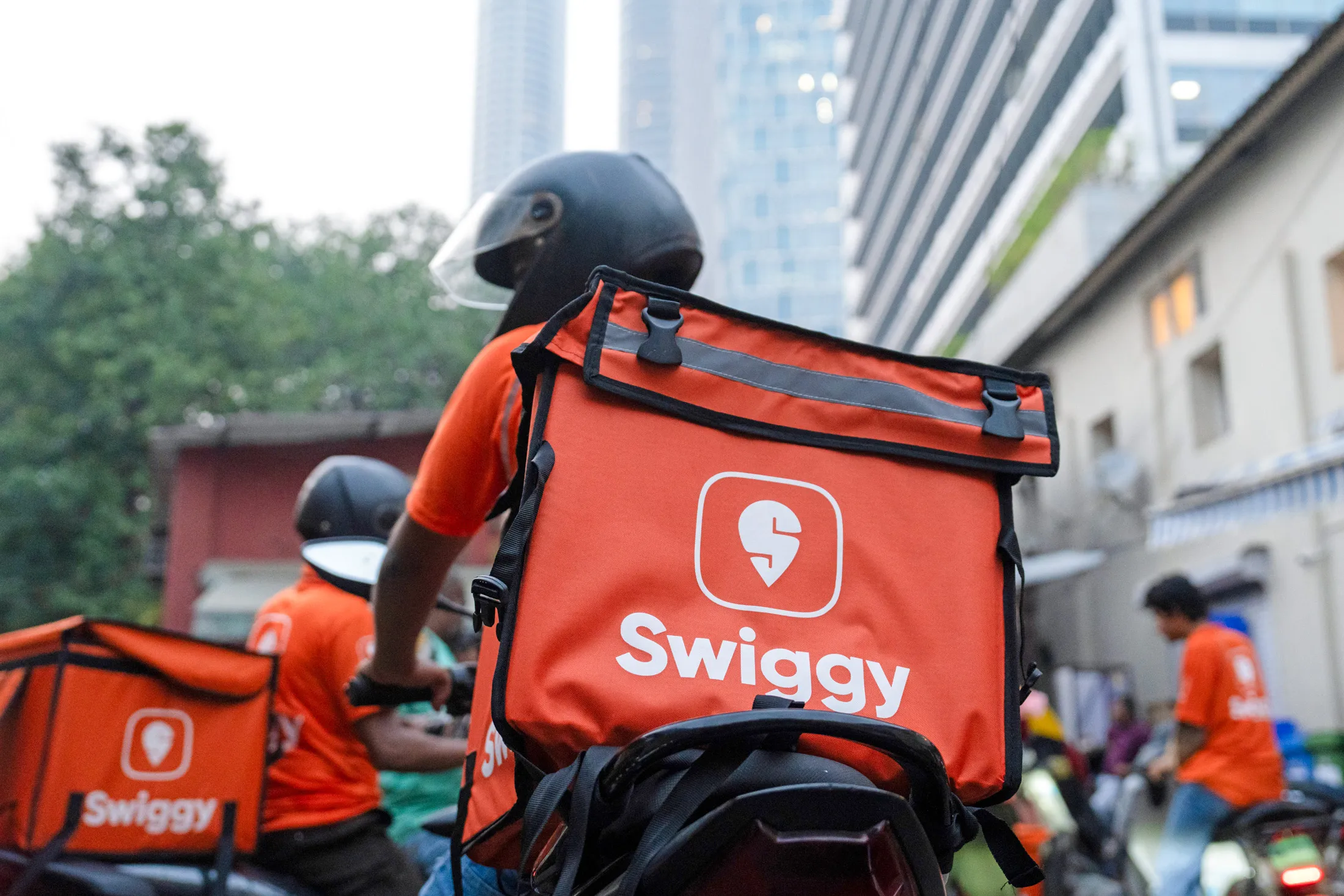
Swiggy Raises Platform Fee to ₹17.58 per Order, Signals Shift Toward Profitability
In a move reflecting changing dynamics in India’s food delivery industry, Swiggy has increased its platform fee to ₹17.58 per order, up from ₹14.99. The revised pricing, effective March 2026, aligns closely with the fee structure of its primary competitor, Zomato.
The decision marks another step in Swiggy’s ongoing efforts to strengthen its financial position while adapting to rising operational costs and evolving market expectations.
Understanding the Platform Fee
The platform fee is a fixed charge added to every order placed through the app, separate from delivery charges, restaurant pricing, and taxes.
Initially introduced as a small convenience fee, it has gradually become an important revenue stream for food delivery platforms.
For companies like Swiggy, which operate on thin margins, such fees play a critical role in improving unit economics and moving toward profitability.
Why Swiggy Increased the Fee
The latest fee revision is part of Swiggy’s broader strategy to address rising costs across its operations.
Food delivery platforms face multiple cost pressures, including:
- Increasing fuel prices affecting delivery logistics
- Higher payouts to delivery partners
- Technology and infrastructure investments
- Discounts and promotional offers to retain customers
By increasing the platform fee, Swiggy aims to offset some of these expenses without significantly altering its core pricing structure.
This is not the first time the company has taken such a step. A similar fee hike was implemented in September 2025, indicating a consistent approach toward pricing adjustments.
Aligning with Industry Trends
One of the most notable aspects of this move is its alignment with industry pricing trends.
Swiggy’s revised platform fee now closely matches that of Zomato, suggesting a level of pricing standardization within the sector.
This alignment reflects a broader shift in the food delivery industry—from aggressive growth and customer acquisition to a more balanced focus on profitability and sustainability.
In earlier years, platforms relied heavily on discounts and subsidies to attract users. However, as the market matures, companies are increasingly prioritizing financial discipline.
Impact on Consumers
For customers, the immediate effect of the fee hike is a higher total cost per order.
While the increase of ₹2–₹3 per order may seem minor, its cumulative impact can be significant for frequent users.
Potential Changes in Consumer Behavior:
- More selective ordering: Users may think twice before placing small or impulse orders
- Higher order value: Customers might prefer ordering in larger quantities to justify the additional cost
- Reduced frequency: Some users may cut down on how often they order
These behavioral shifts are important for platforms to monitor, as they directly influence order volumes and revenue.
Balancing Cost and Convenience
Despite the price increase, food delivery platforms continue to offer unmatched convenience.
For many urban consumers, the ability to order food quickly and reliably outweighs the incremental cost increase.
Swiggy’s challenge lies in maintaining this balance—ensuring that customers still perceive value while the company improves its financial performance.
Profitability: The New Focus
The Indian food delivery market has entered a phase where profitability is becoming as important as growth.
For years, companies operated at losses to capture market share. However, investor expectations and market realities are now pushing firms toward sustainable business models.
Swiggy’s platform fee hike is a clear indication of this shift.
By focusing on unit economics—ensuring that each order contributes positively to the bottom line—the company is working toward long-term financial stability.
Competitive Dynamics
Competition between Swiggy and Zomato remains intense, with both companies constantly innovating to attract and retain customers.
However, the convergence in pricing strategies suggests that both players recognize the need for sustainable growth.
Instead of competing solely on price, the focus is gradually shifting to:
- Service quality
- Delivery speed
- Customer experience
- Restaurant partnerships
This evolution could lead to a more stable and mature market environment.
The Role of Pricing in Business Strategy
Pricing decisions like platform fees are not just about revenue—they are also strategic tools.
By carefully adjusting fees, companies can:
- Manage demand
- Improve profitability
- Signal market positioning
In Swiggy’s case, the fee hike reflects confidence in its value proposition and customer loyalty.
Challenges Ahead
While the move is strategically sound, it is not without risks.
Higher costs could push some users to:
- Switch to competitors
- Reduce usage
- Explore alternative options like home cooking
To mitigate these risks, Swiggy will need to continue enhancing its service quality and offering value-added features.
Future Outlook
As the food delivery industry evolves, pricing strategies are likely to remain dynamic.
Companies may continue to experiment with:
- Subscription models
- Dynamic pricing based on demand
- Bundled offers to increase order value
Swiggy’s latest move could set the stage for further adjustments across the industry.
Summary
Swiggy has increased its platform fee to ₹17.58 per order from ₹14.99, aligning its pricing with competitor Zomato. The move is aimed at improving unit economics and addressing rising operational costs.
While the increase may raise the overall cost for users, it reflects a broader industry shift toward profitability and sustainable growth. The impact on consumer behavior will be closely watched as companies balance pricing with customer experience.
Disclaimer:
This article is based on publicly available information, official statements, and media reports available at the time of publication. The content is intended solely for informational and educational purposes.
While efforts have been made to ensure accuracy, NoCap Times does not independently verify all claims, statements, or allegations made by individuals, witnesses, or investigative sources mentioned in the report.
NoCap Times shall not be held responsible for any inaccuracies, omissions, or changes that may arise as new verified information becomes available.