

Iran Confirms Death of Senior Security Leader Amid Intensifying Israel Conflict
The ongoing conflict between Iran and Israel has taken a dramatic turn with the confirmed death of a top Iranian security official, marking a significant escalation in an already volatile regional crisis. According to Iranian state media, a targeted overnight military strike carried out by Israeli forces resulted in the killing of Ali Larijani, a key figure in Iran’s political and security establishment.
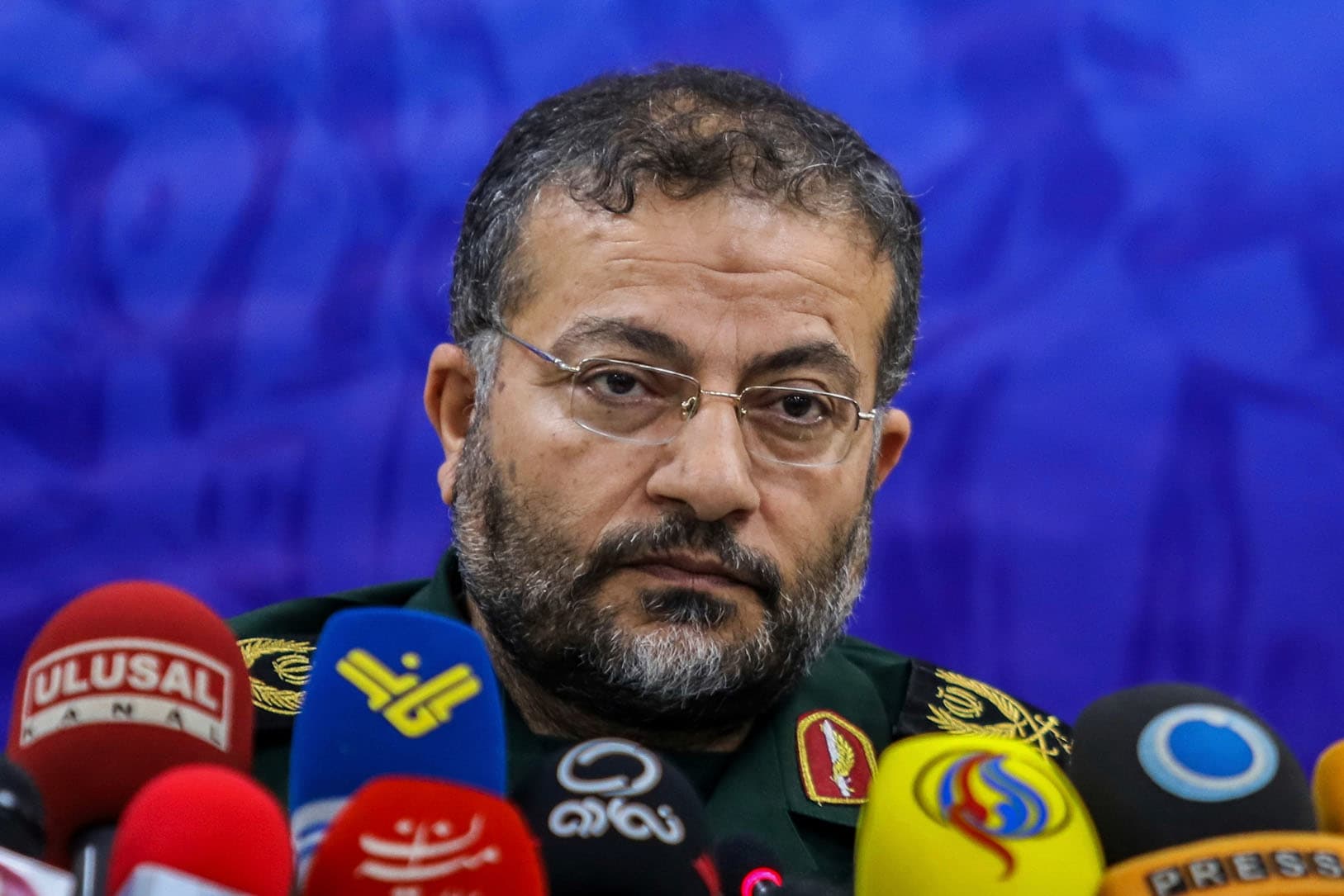
The same operation reportedly claimed the life of Gholam Reza Soleimani, a senior commander associated with Iran’s paramilitary Basij force. Both individuals were said to be attending a high-level meeting when the strike occurred, underscoring the precision and intelligence behind the operation.
This development signals a new phase in the conflict, where high-value targets within Iran’s leadership are increasingly becoming the focus of military actions.
Targeting Iran’s Strategic Leadership
The deaths of Larijani and Soleimani represent a major blow to Iran’s internal security structure. Larijani, a seasoned السياسي figure, was known for his close association with Ali Khamenei and played a pivotal role in shaping Iran’s domestic and international policies.
He was deeply involved in sensitive areas such as nuclear negotiations and was considered instrumental in the government’s response to internal dissent. His influence extended across political, military, and diplomatic spheres, making him one of the most prominent figures in Iran’s power hierarchy.
Soleimani, on the other hand, held a commanding position within the Basij force, a paramilitary wing of Iran’s Islamic Revolutionary Guard Corps (IRGC). The Basij has often been deployed to control protests and maintain internal order, particularly during periods of civil unrest.
Their simultaneous elimination suggests a deliberate effort to weaken both Iran’s strategic leadership and its internal security apparatus.
Expanding Conflict Across the Region
The confrontation is no longer confined to isolated military engagements. It has rapidly expanded across multiple countries in the Middle East, affecting regional stability on a large scale.
In recent days, Gulf nations have reported increased missile and drone attacks attributed to Iran. These strikes have primarily targeted oil infrastructure, raising concerns about global energy security and economic stability.
Simultaneously, Israel has intensified its military operations not only within Iran but also in neighboring Lebanon. Airstrikes in key areas, including parts of Beirut, have caused widespread destruction, though initial reports indicate limited civilian casualties.
Meanwhile, in Iraq, drone activity has reportedly targeted the U.S. Embassy compound in Baghdad, triggering a massive fire. The incident highlights the growing involvement of multiple actors and the increasing risk of a broader regional war.
Rising Casualties and Human Cost
As the conflict intensifies, the human toll continues to mount at an alarming rate. Local authorities have reported:
- Over 1,300 deaths in Iran
- More than 900 fatalities in Lebanon
- At least 12 casualties in Israel
In addition, the United States military has confirmed the deaths of 13 American service members, with approximately 200 others injured since the escalation began.
These figures reflect not only the scale of the conflict but also its devastating impact on civilians and military personnel alike. Hospitals and emergency services in affected regions are struggling to cope with the influx of casualties, further compounding the humanitarian crisis.
Global Concerns and Diplomatic Reactions
The international community has expressed deep concern over the rapidly deteriorating situation. The United Nations has called for restraint and urged all parties to prioritize diplomatic solutions over military escalation.
Jeanine Hennis-Plasschaert, the UN’s special coordinator for Lebanon, emphasized the need for the country to address its internal challenges while navigating the complexities of the conflict. She also highlighted the uncertain future of Hezbollah, which has been actively involved in hostilities against Israel.
The growing involvement of non-state actors like Hezbollah adds another layer of complexity, making it increasingly difficult to de-escalate the situation.
Nuclear Safety Concerns at Bushehr
Amid the ongoing military actions, concerns have also emerged regarding nuclear safety. The International Atomic Energy Agency (IAEA) reported that a projectile struck the Bushehr Nuclear Power Plant in southern Iran.
Fortunately, initial assessments indicated that there was no significant damage or radiation leak. However, the incident has raised alarm bells globally, as any escalation involving nuclear facilities could have catastrophic consequences.
The IAEA has urged all parties to exercise extreme caution and avoid targeting sensitive infrastructure, warning that even a minor miscalculation could lead to a major nuclear incident.
Intensified Israeli Military Operations
Israel has defended its actions as part of a broader strategy to neutralize threats from Iran and its allied groups. The Israel Defense Forces (IDF) has stated that its operations are focused on dismantling the capabilities of hostile organizations, particularly Hezbollah.
Recent strikes in central Beirut reportedly caused significant structural damage, indicating the scale and precision of Israeli military operations. While Israel maintains that these actions are necessary for national security, critics argue that they risk further escalating the conflict and endangering civilian lives.
Iran’s Retaliation and Strategic Messaging
In response to the attacks, Iran has vowed to continue its retaliation against both Israeli and American interests in the region. Iranian officials have stated that their military actions are aimed at protecting national sovereignty and responding to what they describe as “aggression.”
Anwar Gargash, a senior official from the United Arab Emirates, noted that Iran’s aggressive posture may have unintended consequences. According to him, such actions are likely to strengthen strategic ties between the United States and Gulf nations, countering Iran’s regional influence.
This evolving geopolitical dynamic underscores the complexity of the conflict, where military actions are closely intertwined with diplomatic and strategic considerations.
Economic Impact: Oil and Fuel Prices Surge
Beyond the battlefield, the conflict is also having a profound impact on the global economy. Disruptions to oil infrastructure in the Gulf have led to a sharp rise in energy prices.
In the United States, the average price of gasoline has climbed to approximately $3.79 per gallon, reflecting the strain on global supply chains. Lawmakers, including members of the Democratic Party, have criticized the administration of Donald Trump, linking the price surge to the ongoing conflict and its effect on oil markets.
Rising fuel costs are expected to have a ripple effect across economies worldwide, increasing transportation costs and contributing to inflationary pressures.
Uncertain Future and Escalating Risks
The deaths of key Iranian leaders such as Larijani and Soleimani highlight the intensifying nature of the conflict and the increasing risks of a prolonged war. With multiple countries, non-state actors, and global powers involved, the situation remains highly unpredictable.
Iran’s leadership losses could potentially impact its decision-making and internal stability, raising questions about the future direction of its policies. At the same time, continued military actions by Israel and retaliatory strikes by Iran suggest that the conflict is far from reaching a resolution.
Conclusion
The confirmation of Ali Larijani’s death marks a critical moment in the escalating confrontation between Iran and Israel. As the conflict spreads across the region, involving countries like Lebanon and Iraq, the stakes continue to rise.
With mounting casualties, growing economic repercussions, and increasing international concern, the need for diplomatic intervention has never been more urgent. However, given the current trajectory, the conflict appears set to deepen further before any meaningful resolution can be achieved.
Disclaimer:
This article is based on publicly available information, official statements, and media reports available at the time of publication. The content is intended solely for informational and journalistic purposes.
While efforts have been made to ensure accuracy, NoCap Times does not independently verify all claims, statements, or allegations made by individuals, witnesses, or investigative sources mentioned in the report.
As investigations are ongoing, certain details may change as authorities release further updates. Readers are advised to treat the information as part of a developing news story. NoCap Times shall not be held responsible for any inaccuracies, omissions, or changes that may arise as new verified information becomes available.