

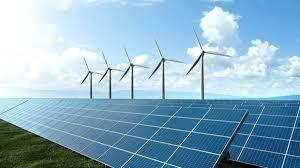
ACME Solar Expands Energy Storage Footprint with 155 MW BESS Commissioning in Rajasthan
ACME Solar Holdings Ltd has taken a significant step forward in strengthening its energy storage capabilities by commissioning an additional 155 MW / 470.25 MWh of Battery Energy Storage System (BESS) capacity in Rajasthan.
This latest development marks a key milestone in the company’s long-term strategy to build scalable and efficient energy storage infrastructure, supporting India’s transition toward a more resilient and renewable-powered energy ecosystem.
Strengthening the BESS Portfolio
With the addition of this newly commissioned capacity, ACME Solar’s total operational Battery Energy Storage System (BESS) capacity has increased to:
- 297.67 MW in power capacity
- 951.74 MWh in energy storage capacity
This expansion significantly enhances the company’s presence in the rapidly growing energy storage segment, which is becoming increasingly critical as renewable energy adoption accelerates across the country.
Battery energy storage systems are essential for managing the intermittent nature of renewable energy sources such as solar and wind, making them a vital component of modern energy infrastructure.
Part of a Larger Expansion Plan
The newly operational BESS capacity is part of ACME Solar’s broader plan to develop:
- 835 MW of power capacity
- 3,114.64 MWh of energy storage capacity
This ambitious pipeline is being executed across multiple Special Purpose Vehicles (SPVs), reflecting a phased and structured approach to expansion.
By scaling up its storage capabilities, the company aims to:
- Enhance grid flexibility
- Improve renewable energy utilisation
- Strengthen long-term revenue visibility
This aligns with global trends where energy companies are increasingly investing in storage solutions to complement renewable generation assets.
Strategic Location and Grid Connectivity
The commissioned projects are located in Rajasthan, a region known for its high solar energy potential and growing renewable infrastructure.
These projects are connected to the Inter-State Transmission System (ISTS), enabling seamless integration with the national power grid.
This connectivity ensures that stored energy can be efficiently distributed across different regions, improving overall grid efficiency and supporting national energy requirements.
Merchant-Based Operational Model
One of the key highlights of this development is the adoption of a merchant-based operational model.
Under this model, ACME Solar will:
- Store electricity during periods of low demand (and lower prices)
- Supply electricity during peak demand periods (when prices are higher)
This approach allows the company to capitalize on price fluctuations in electricity markets, thereby optimizing revenue generation.
The merchant model also provides flexibility compared to long-term fixed contracts, enabling the company to respond dynamically to market conditions.
Role of BESS in Modern Energy Systems
Battery Energy Storage Systems (BESS) are becoming a cornerstone of modern power infrastructure.
Their key functions include:
- Grid Stability
BESS helps stabilize the grid by balancing fluctuations in electricity supply and demand.
- Renewable Energy Integration
As solar and wind energy are inherently intermittent, storage systems ensure that excess energy generated during peak production periods can be used later.
- Peak Load Management
By supplying stored energy during peak demand hours, BESS reduces strain on the grid and minimizes the need for expensive peaking power plants.
- Energy Efficiency
Storage systems help reduce energy wastage by capturing surplus electricity that would otherwise go unused.
Supporting India’s Energy Transition
India is rapidly moving toward increasing the share of renewable energy in its power mix.
However, this transition comes with challenges such as:
- Intermittency of renewable sources
- Grid management complexities
- Demand-supply mismatches
Energy storage solutions like BESS are critical in addressing these challenges.
ACME Solar’s expansion in this segment positions the company as a key contributor to India’s clean energy transition.
Rajasthan: A Renewable Energy Hub
Rajasthan has emerged as one of India’s leading states in renewable energy development.
The state offers:
- High solar irradiance
- Large land availability
- Strong policy support
By deploying its BESS projects in Rajasthan, ACME Solar is strategically leveraging these advantages to maximize efficiency and scalability.
Financial and Operational Implications
The expansion of BESS capacity is expected to have several positive implications for ACME Solar:
- Improved revenue potential through merchant operations
- Enhanced operational efficiency by optimizing energy usage
- Stronger market positioning in the energy storage segment
Additionally, as demand for storage solutions continues to grow, early investments in this space could provide long-term competitive advantages.
Industry Trends and Future Outlook
Globally, energy storage is witnessing rapid growth due to:
- Increasing renewable energy capacity
- Declining battery costs
- Supportive government policies
In India, the energy storage market is still in its early stages but is expected to grow significantly in the coming years.
Companies like ACME Solar that invest early in this segment are likely to benefit from:
- First-mover advantages
- Technological advancements
- Expanding market opportunities
Challenges to Watch
Despite the strong growth potential, the energy storage sector faces certain challenges:
- High initial capital costs
- Regulatory uncertainties
- Market price volatility
However, ongoing policy support and technological improvements are expected to address many of these challenges over time.
The Road Ahead
ACME Solar’s commissioning of additional BESS capacity reflects a forward-looking strategy focused on innovation, scalability, and sustainability.
As the company continues to expand its storage portfolio, it is well-positioned to:
- Play a key role in grid modernization
- Support renewable energy integration
- Drive long-term value creation
The success of this strategy will depend on effective execution, market conditions, and the evolving regulatory landscape.
Summary
ACME Solar Holdings has commissioned 155 MW / 470.25 MWh of battery energy storage capacity in Rajasthan, increasing its total BESS capacity to 297.67 MW / 951.74 MWh. The projects are connected to the national grid and operate on a merchant basis, enabling revenue optimization through electricity price fluctuations.
This expansion is part of a broader plan to develop 835 MW / 3,114.64 MWh of storage capacity and supports India’s transition toward a more efficient and renewable-driven energy system.
Disclaimer
This article is based on publicly available information, official statements, and media reports available at the time of publication. The content is intended solely for informational and educational purposes and should not be construed as investment advice.
While efforts have been made to ensure accuracy, the information presented may change as new developments emerge. Readers are advised to conduct their own research and consult financial advisors before making any investment decisions.
NoCap Times does not independently verify all claims or statements and shall not be held responsible for any inaccuracies or omissions.