

US Ends Major Military Operations Against Iran After ‘Operation Epic Fury,’ Says Marco Rubio
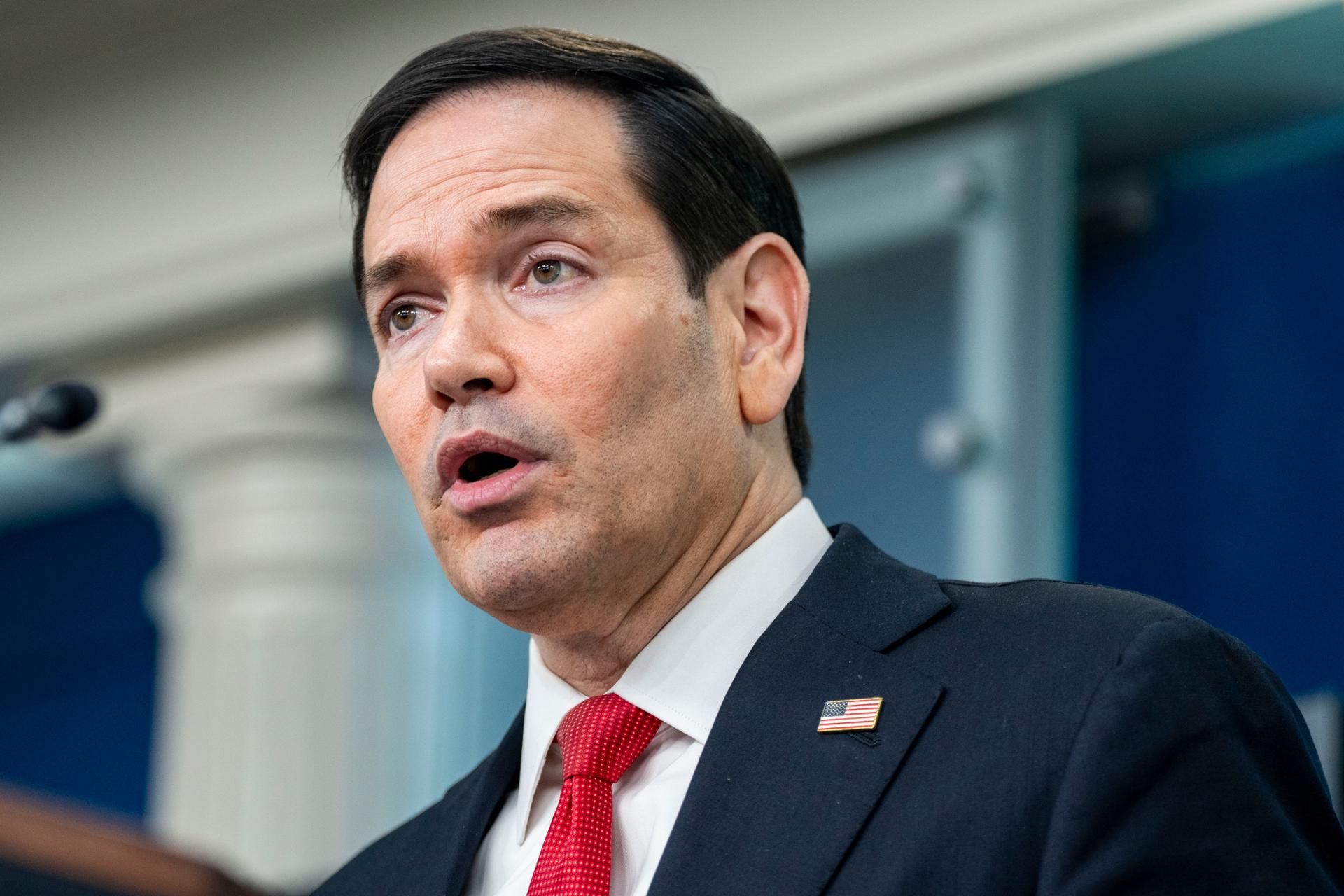
In a major geopolitical development with far-reaching implications for global security and energy markets, U.S. Secretary of State Marco Rubio has officially announced the conclusion of large-scale American military operations against Iran. The announcement follows the successful completion of a coordinated campaign known as Operation Epic Fury, carried out jointly with Israel on February 28.
Speaking at a high-profile White House briefing, Rubio described the mission as having achieved its “primary strategic objectives,” while cautioning that the situation in the region remains fragile. He stressed that although active combat operations have ceased, tensions could quickly escalate again—particularly in the strategically vital Strait of Hormuz.
Operation Epic Fury: A Strategic Military Push
Operation Epic Fury marks one of the most significant coordinated military actions between the United States and Israel in recent years. While detailed operational specifics remain classified, officials indicate that the mission targeted critical Iranian military infrastructure and aimed to neutralize perceived threats to regional stability.
According to Rubio, the operation was not designed as an act of aggression but as a calculated response to escalating tensions and threats posed by Iran’s strategic maneuvers in the Persian Gulf region. The campaign also sought to reinforce maritime security and ensure the uninterrupted flow of global oil supplies.
The success of the operation has been framed by U.S. officials as a demonstration of military precision and international coordination, reinforcing Washington’s commitment to safeguarding its strategic interests and allies in the region.
Focus Shifts to Strait of Hormuz Security
Despite the conclusion of active military operations, the spotlight has now shifted to the Strait of Hormuz—one of the world’s most critical energy corridors. Approximately a fifth of the world’s oil supply passes through this narrow waterway, making it a focal point of geopolitical tension.
Rubio emphasized that recent confrontations involving Iran have been “defensive in nature,” with U.S. forces primarily focused on ensuring safe passage for commercial vessels. He reiterated that the United States is not seeking further escalation, stating clearly that diplomacy remains the preferred path forward.
“We would prefer the path of peace,” Rubio noted, underscoring the administration’s cautious approach despite the volatile environment.
Trump’s Strategic Demands on Iran
Rubio also reiterated the stance of Donald Trump regarding Iran’s nuclear ambitions. According to him, a lasting resolution to the ongoing tensions hinges on Tehran’s willingness to comply with U.S. demands related to its nuclear program.
The United States has long expressed concerns over Iran’s uranium enrichment activities and advancements in centrifuge technology. Rubio argued that these developments contradict Iran’s claims of pursuing peaceful nuclear energy.
He emphasized that trust can only be rebuilt if Iran demonstrates a clear and verifiable commitment to abandoning nuclear weapons ambitions.
Maritime Operations Continue Despite Cease of Combat
While combat operations have officially ended, U.S. naval forces remain actively engaged in securing maritime routes in the Strait of Hormuz. So far, only a limited number of vessels have successfully transited the strait under U.S. protection, highlighting the ongoing challenges in restoring normalcy.
U.S. Defense Secretary Pete Hegseth confirmed that American forces are maintaining a defensive posture, ready to respond if provoked but prioritizing de-escalation.
The continued military presence underscores the delicate balance between deterrence and diplomacy as Washington seeks to prevent further disruptions in global trade.
Global Diplomatic Pressure Mounts on Iran
As tensions persist, diplomatic efforts are intensifying across the international community. Iranian Foreign Minister Abbas Araghchi is expected to visit China, a move that could influence the trajectory of the crisis.
Rubio expressed hope that Beijing would play a constructive role in urging Iran to adopt a less confrontational stance. In a pointed remark, he suggested that global powers must hold Iran accountable for its actions in the region.
This reflects a broader strategy by the United States to leverage international partnerships in addressing the crisis, rather than relying solely on military solutions.
‘Project Freedom’: US Leads Maritime Security Efforts
Rubio acknowledged that while several countries have expressed willingness to assist in reopening the Strait of Hormuz, few possess the military capability to do so effectively.
“The primary responsibility lies with the United States,” he stated, highlighting Washington’s unique ability to project power in the region.
Dubbed informally as “Project Freedom,” the ongoing effort aims to restore full navigational access to the strait and ensure the safety of global shipping lanes.
The initiative is seen as crucial not only for energy security but also for maintaining confidence in international trade systems.
Religious and Political Dimensions Surface
In a surprising turn, Rubio also addressed reports of tensions between President Trump and Pope Leo XIV. He dismissed speculation of a serious rift, attributing differences to concerns over Iran’s nuclear capabilities.
Rubio argued that Iran’s potential acquisition of nuclear weapons poses a threat not only to geopolitical stability but also to religious communities worldwide, including Christians.
This dimension adds a complex layer to the ongoing crisis, intertwining geopolitical strategy with ideological and humanitarian considerations.
Humanitarian Crisis Among Civilian Sailors
One of the most pressing concerns highlighted during the briefing was the plight of civilian sailors stranded in the Persian Gulf. Rubio revealed that approximately 23,000 sailors are currently unable to safely navigate the region due to ongoing tensions.
He described the situation as “dire” and criticized Iran’s actions as obstructive and harmful to innocent lives.
The humanitarian implications of the crisis have drawn international attention, with calls for immediate measures to ensure the safety and well-being of those affected.
UN Resolution and Potential Sanctions
In response to the escalating situation, the United States, along with several Gulf nations, is backing a proposed resolution at the United Nations Security Council.
The resolution seeks to impose sanctions on Iran if it fails to restore freedom of navigation in the Strait of Hormuz. It also calls for the establishment of a humanitarian corridor to facilitate the movement of essential goods.
If passed, the resolution could significantly increase pressure on Iran and potentially reshape the dynamics of the crisis.
Challenges in Reopening the Strait
Experts warn that restoring normal operations in the Strait of Hormuz will not be an easy task. The narrow geography of the waterway, combined with Iran’s military capabilities, makes it a highly sensitive and potentially dangerous zone.
Former military officials have pointed out that even minor miscalculations could lead to major escalations, underscoring the need for careful coordination and restraint.
Impact on Global Shipping and Insurance
The ongoing uncertainty has also affected the global shipping industry. Companies remain cautious about sending vessels through the strait, given the risks involved.
Insurance providers are closely monitoring the situation, with premiums likely to rise if tensions persist. Industry experts note that it is still too early to assess the full impact of recent developments on global trade.
The situation remains fluid, with businesses adopting a wait-and-watch approach as geopolitical dynamics continue to evolve.
A Fragile Peace with High Stakes
The conclusion of Operation Epic Fury marks a significant milestone, but it does not signal the end of tensions between the United States and Iran. Instead, it represents a transition from active military engagement to a more complex phase involving diplomacy, deterrence, and strategic maneuvering.
The coming weeks will be critical in determining whether the region moves toward stability or slides back into conflict. Much will depend on Iran’s actions, the effectiveness of international diplomacy, and the ability of global powers to manage the crisis responsibly.
For now, the world watches closely as one of the most dangerous geopolitical flashpoints continues to unfold—its outcome likely to shape the future of global security and energy markets.
Disclaimer:
This article is based on publicly available information, official statements, and media reports available at the time of publication. The content is intended for informational purposes only and should not be considered financial or policy advice. Readers are encouraged to refer to official sources for the latest updates.
The content is solely for educational and informational purposes. Whether it is global news, indian news, political news or any other sort of content, we do not independently verify the content or claims.
While efforts have been made to ensure accuracy, the information presented may change as new developments emerge. Readers are advised to conduct their own research and consult financial advisors before making any investment decisions.
NoCap Times does not independently verify all claims or statements and shall not be held responsible for any inaccuracies or omissions.
Stay updated with the latest and breaking news on NoCap Times. Get the latest India News, World News, Business News, Sports News, Viral News and Research Articles for various competitive Exams & UPSC Aspirants.