
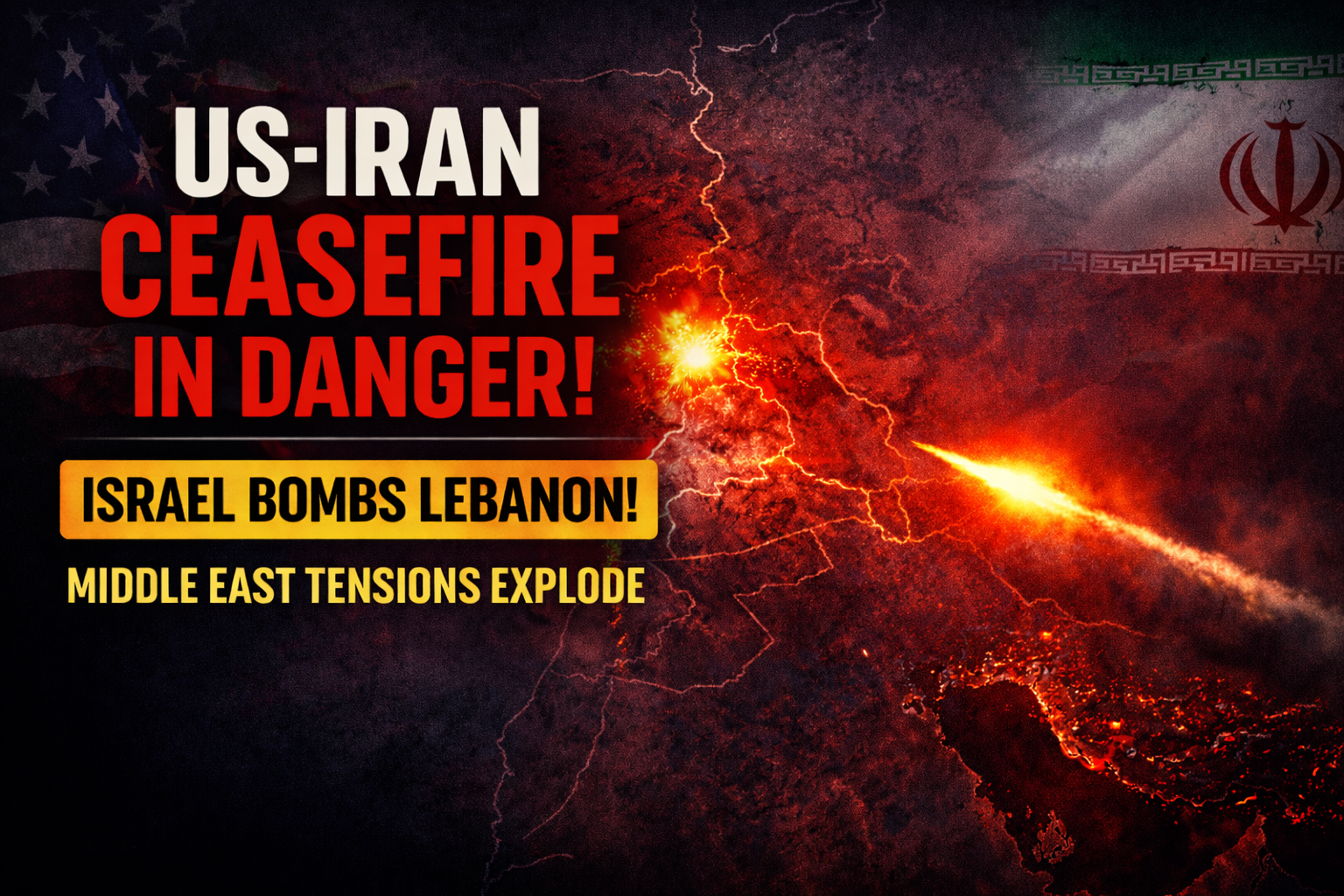
US-Iran Ceasefire Under Strain: Israel Strikes Lebanon, Middle East Tensions Rise
US-Iran ceasefire under strain as Israel strikes Lebanon, raising Middle East tensions, threatening Hormuz shipping, and risking wider Iran-Israel war escalation.
US-Iran Ceasefire Under Strain After Israel Strikes Lebanon
The US-Iran ceasefire under strain has become the defining global headline as fresh Israeli airstrikes in Lebanon threaten to unravel a fragile truce in the ongoing conflict.
The ceasefire, brokered with support from Pakistan and announced by Donald Trump on April 8, 2026, was meant to pause direct hostilities between the United States, Iran, and Israel.
What the Ceasefire Agreement Includes
The ceasefire aimed to create a temporary pause in the escalating Iran-Israel war.
Under the agreement:
- The US and Israel would halt attacks on Iranian territory;
- Iran will have to ensure the safe reopening of the Strait of Hormuz.
- Moreover, a two-week diplomatic window would allow further negotiations
This deal came after weeks of intense conflict that disrupted global oil markets and heightened geopolitical instability.
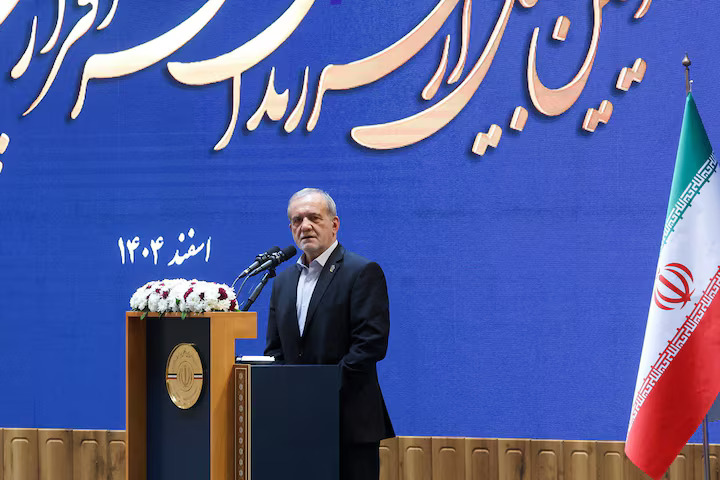
Conflicting Claims of Victory
Both sides have framed the ceasefire differently.
The United States claims it successfully weakened Iran’s nuclear and missile capabilities. Meanwhile, Iran views the agreement as proof of its resilience under pressure. Also, these competing narratives reflect deeper tensions that continue to threaten the truce.
Israel’s Lebanon Strikes Trigger Crisis
The biggest challenge to the US-Iran ceasefire under strain is Israel’s aggressive military campaign in Lebanon.
Israeli forces reportedly launched one of their largest airstrike operations:
- Over 160 bombs dropped
- More than 100 targets hit
- 250–300 casualties reported
The strikes targeted areas believed to house Hezbollah infrastructure, including Beirut, southern Lebanon, and the Beqaa Valley.
Benjamin Netanyahu Rejects Ceasefire Scope
Netanyahu has made Israel’s position clear.
He stated that the ceasefire does not apply to Lebanon or Hezbollah operations. According to him, Israel retains full authority to act against threats from Hezbollah.
This stance has been supported by US officials, who also consider Lebanon outside the ceasefire framework.
Iran Calls Strikes a “Violation”
Iran strongly disagrees with this interpretation.
Officials, including Foreign Minister Abbas Araghchi, have called the strikes a direct violation of the ceasefire.
Iran insists that the agreement includes all allied regions, including Lebanon.
Threat of Retaliation
Iran has warned of “strong responses” if attacks continue.
This raises the risk that the conflict could expand beyond its current scope, potentially drawing in more regional players.
Pakistan’s Role as Mediator
Pakistan has played a key role in facilitating the ceasefire.
Prime Minister Shehbaz Sharif announced that the agreement covered all parties and regions, including Lebanon.
Talks in Islamabad Face Uncertainty
Peace talks scheduled in Islamabad are now under pressure.
Differences over the ceasefire’s scope and ongoing military actions could derail negotiations before they even begin.
Global Concerns Over Strait of Hormuz
Another major issue is control over the Strait of Hormuz.
This critical waterway carries nearly 20% of the world’s oil supply.
Shipping and Energy Risks
Iran’s control over the strait has already reduced shipping activity.
Global energy markets remain volatile, with fears of supply disruptions and rising oil prices.
Any escalation could further destabilize global trade.
International Efforts to Stabilize the Situation
Global leaders are actively trying to prevent further escalation.
Keir Starmer has engaged with Gulf nations, including Saudi Arabia, to ensure stability and restore shipping routes.
Focus on Diplomacy
Efforts are focused on:
- Restoring safe navigation in Hormuz
- Preventing further military escalation
- Building trust between conflicting parties
However, progress remains slow.
Humanitarian and Economic Impact
The ongoing conflict has had severe consequences.
Thousands have been killed across Iran, Israel, and Lebanon since the escalation began.
Impact on Civilians
- Massive destruction in Lebanese cities
- Displacement of families
- Overburdened healthcare systems
Human rights groups have raised concerns over civilian casualties and infrastructure damage.
Public Sentiment Across the Region
Public reaction remains mixed and tense.
In Israel, many view the ceasefire as temporary and insufficient. In Iran, the government portrays it as a strategic success.
Meanwhile, Lebanese citizens face the brunt of the conflict.
Growing War Fatigue
Across the region, people are increasingly fatigued by continuous conflict and uncertainty.
This adds pressure on leaders to find a lasting solution.
What Lies Ahead
The US-Iran ceasefire under strain faces an uncertain future.
Key issues to be addressed include:
- Whether Lebanon is part of the ceasefire
- Security of the Strait of Hormuz
- Iran’s nuclear and missile programs
- Sanctions and economic relief
Risk of Wider War
If these issues remain unresolved, the ceasefire could collapse.
This would likely lead to:
- Renewed direct military strikes
- Increased proxy conflicts
- Greater global economic instability
Summary: US-Iran Ceasefire Under Strain Amid Rising Tensions
- The ceasefire brokered with Pakistan faces immediate challenges. Israel continues strikes in Lebanon. Iran calls the actions a violation and warns of retaliation. The Strait of Hormuz remains a key concern. Global powers push for a diplomatic resolution.
The US-Iran ceasefire under strain highlights how fragile peace can be in a region shaped by complex alliances and deep-rooted conflicts. Though there are some reports that Israel has agreed to a truce with Lebanon.- Source -Axios.com
Disclaimer
This article is based on publicly available information, official statements, and media reports available at the time of publication. The content is intended for informational purposes only and should not be considered financial or policy advice. Readers are encouraged to refer to official sources for the latest updates.
While efforts have been made to ensure accuracy, the information presented may change as new developments emerge. Readers are advised to conduct their own research and consult financial advisors before making any investment decisions.
NoCap Times does not independently verify all claims or statements and shall not be held responsible for any inaccuracies or omissions.