

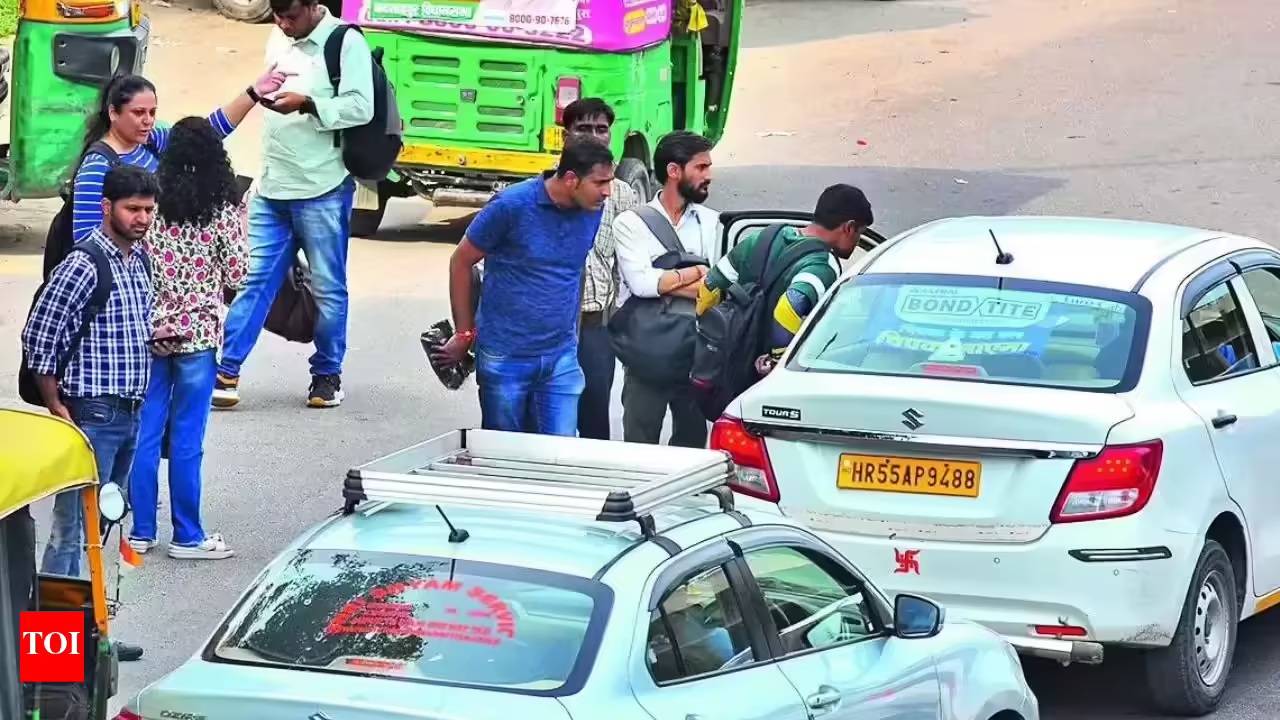
Gurugram Cab Strike: App-Based Drivers Demand Passenger KYC and Stronger Safety Measures
App-based cab services in Gurugram have been significantly impacted as drivers across major ride-hailing platforms launched a strike, raising serious concerns about safety, passenger accountability, and fair working conditions. The protest has brought attention to long-standing issues within the ride-hailing ecosystem, particularly the lack of stringent verification mechanisms for passengers.
As thousands of commuters struggle with limited cab availability, the strike has triggered a broader debate around driver protection, platform responsibility, and regulatory gaps in India’s fast-growing mobility sector.
Why Are Cab Drivers Protesting in Gurugram?
The ongoing strike by app-based cab drivers is primarily driven by safety concerns and demands for systemic reforms. Drivers argue that while they are required to undergo strict identity verification and documentation checks before joining platforms, passengers can book rides with minimal or no verification.
This imbalance, according to driver unions, creates a major security loophole that exposes drivers to potential risks, especially during late-night trips or rides to isolated locations.
Demand for Mandatory Passenger KYC
At the heart of the protest is the demand for compulsory Know Your Customer (KYC) verification for passengers using ride-hailing apps.
Drivers believe that:
- Every rider should be required to verify their identity using official documents
- Anonymous or fake profiles should be eliminated
- Platforms should maintain a verified database of users
Currently, many platforms allow users to register with just a phone number or email, making it easier for individuals to misuse the system. Drivers claim this has led to incidents where fake identities were used to book rides, putting their safety at risk.
Rising Safety Concerns Among Drivers
Safety remains the biggest concern for drivers participating in the strike. Many have highlighted that despite technological advancements, existing safety features within ride-hailing apps are not always reliable.
Common concerns raised include:
- Ineffective SOS or emergency alert systems
- Delayed response from support teams during critical situations
- Lack of real-time intervention by platforms
Drivers argue that in high-risk situations, especially during night shifts, these shortcomings can have serious consequences.
Need for a Stronger Grievance Redressal System
Another major issue highlighted by driver groups is the absence of a robust grievance redressal mechanism. Drivers have expressed frustration over delayed or inadequate responses to complaints related to safety, payment disputes, or misconduct by passengers.
They are demanding:
- Faster resolution of complaints
- Dedicated support teams for driver safety
- Transparent processes for handling disputes
Such measures, they believe, are essential to build trust and ensure accountability within the system.
Cab Services Disrupted Across Gurugram
The strike has led to widespread disruption in cab services across Gurugram. Commuters are facing:
- Longer waiting times
- Limited availability of rides
- Surge in fares due to reduced supply
With a large number of drivers staying off the roads, daily commuters, office-goers, and airport travelers are among the most affected.
Demand for Minimum Base Fare
Apart from safety concerns, drivers are also raising economic issues. Many have pointed out that increasing fuel prices and operational costs have significantly reduced their earnings.
To address this, drivers are demanding:
- A fixed minimum base fare for all rides
- Better fare structures to ensure sustainable income
- Reduced commission cuts by platforms
They argue that without fair compensation, it becomes difficult to continue operating under current conditions.
Incident That Sparked Renewed Outrage
The protest has been further intensified by a tragic incident that occurred earlier this year. Driver unions have referred to the alleged killing of a 25-year-old driver, Suraj Singh, in January by passengers who had booked a ride.
This incident has become a rallying point for drivers, highlighting the risks they face and the urgent need for stronger safety measures. It has also raised questions about passenger accountability and the responsibility of ride-hailing companies to protect their drivers.
Larger Implications for the Ride-Hailing Industry
The strike in Gurugram is not an isolated event—it reflects broader challenges faced by app-based drivers across India. As the gig economy continues to expand, issues related to worker safety, fair wages, and platform accountability are becoming increasingly prominent.
Key concerns emerging from this situation include:
- Lack of uniform safety standards across platforms
- Insufficient regulatory oversight
- Growing imbalance between driver and passenger accountability
Experts believe that addressing these issues will require coordinated efforts from companies, regulators, and driver associations.
What This Means for Passengers
For passengers, the strike serves as a reminder of the human element behind app-based services. While convenience has been a major factor driving the popularity of ride-hailing apps, ensuring the safety and well-being of drivers is equally important.
If implemented, passenger KYC norms could lead to:
- Safer ride experiences for both drivers and riders
- Increased accountability within the system
- Greater trust in app-based mobility services
The Road Ahead
As negotiations between driver unions and platform companies continue, the outcome of this strike could set a precedent for the future of ride-hailing services in India.
If key demands such as passenger verification, improved safety systems, and fair compensation structures are addressed, it could lead to a more balanced and secure ecosystem for all stakeholders.
Final Takeaway
The ongoing cab drivers’ strike in Gurugram has brought critical issues to the forefront, including safety risks, lack of passenger verification, and economic challenges faced by drivers. While the disruption has affected daily commuters, it has also sparked an important conversation about accountability and reform in the gig economy.
As the situation unfolds, the focus will remain on whether ride-hailing platforms take concrete steps to address these concerns and create a safer, more sustainable working environment for drivers.
Disclaimer:
This article is based on publicly available information, official statements, and media reports available at the time of publication. The content is intended solely for informational and educational purposes.
While efforts have been made to ensure accuracy, NoCap Times does not independently verify all claims, statements, or allegations made by individuals, witnesses, or investigative sources mentioned in the report.
NoCap Times shall not be held responsible for any inaccuracies, omissions, or changes that may arise as new verified information becomes available.