
US-Iran Ceasefire 2026: Full Details on Two-Week Truce, Strait of Hormuz Deal, and Path to Peace
The US-Iran ceasefire took effect on April 8, 2026, after weeks of intense conflict. Get the complete report on how the two-week truce unfolded, exact terms including Strait of Hormuz reopening, timeline of events, and expert analysis on global impacts.
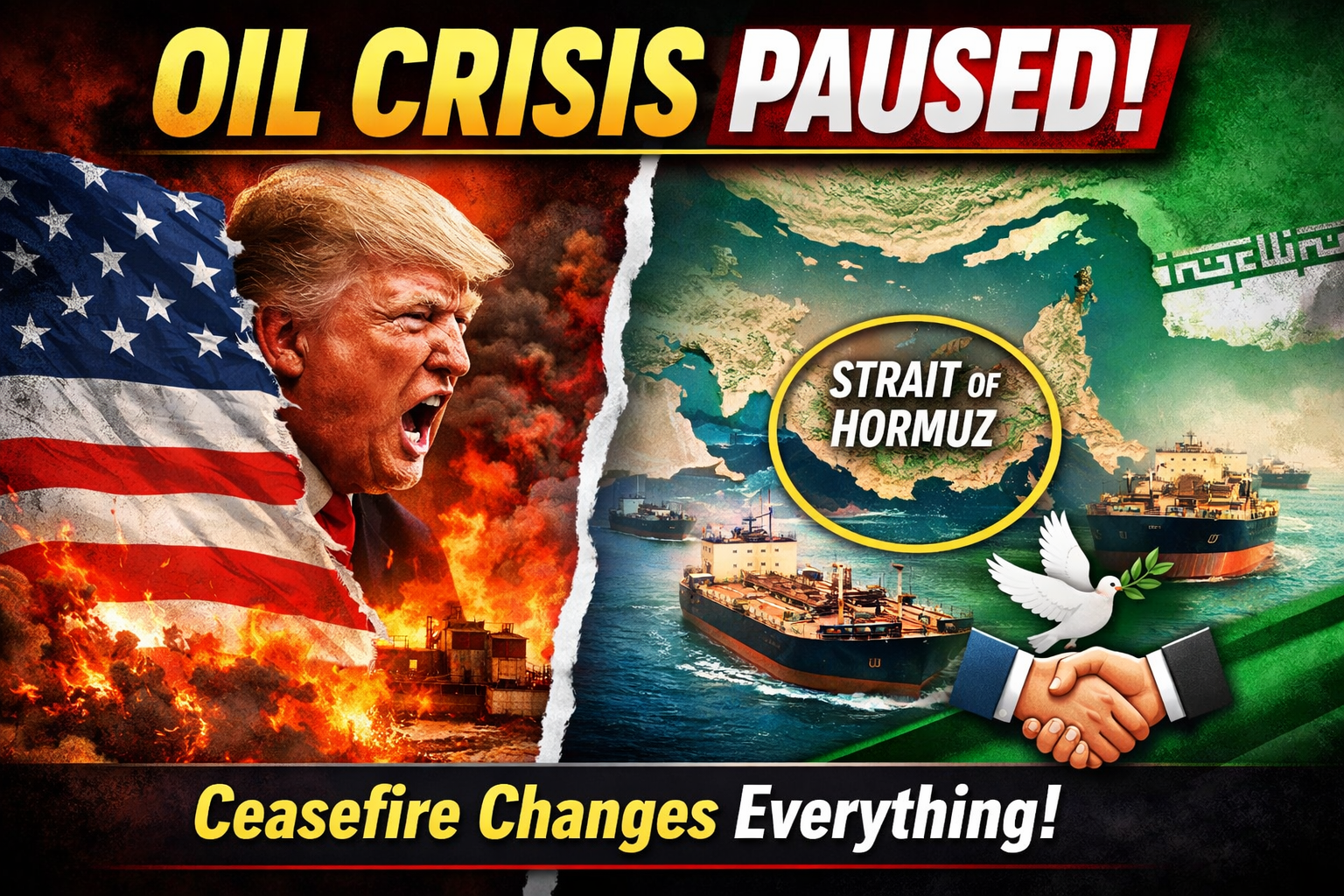
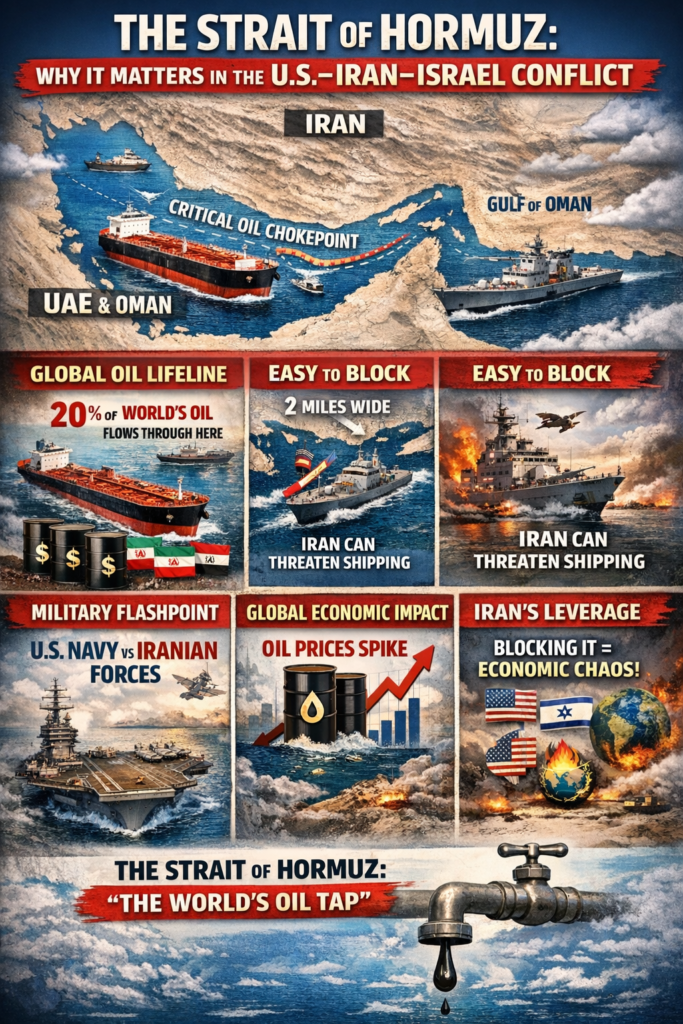
In a dramatic last-minute breakthrough that stunned global markets and relieved millions across the Middle East, the United States and Iran announced a US-Iran ceasefire on April 7-8, 2026. Brokered swiftly through Pakistani mediators and nudged by China, the agreement halts U.S. and allied strikes on Iranian targets for two weeks in exchange for the immediate, safe reopening of the Strait of Hormuz. This pivotal chokepoint for 20% of the world’s oil supply had been effectively closed since the outbreak of hostilities in late February.
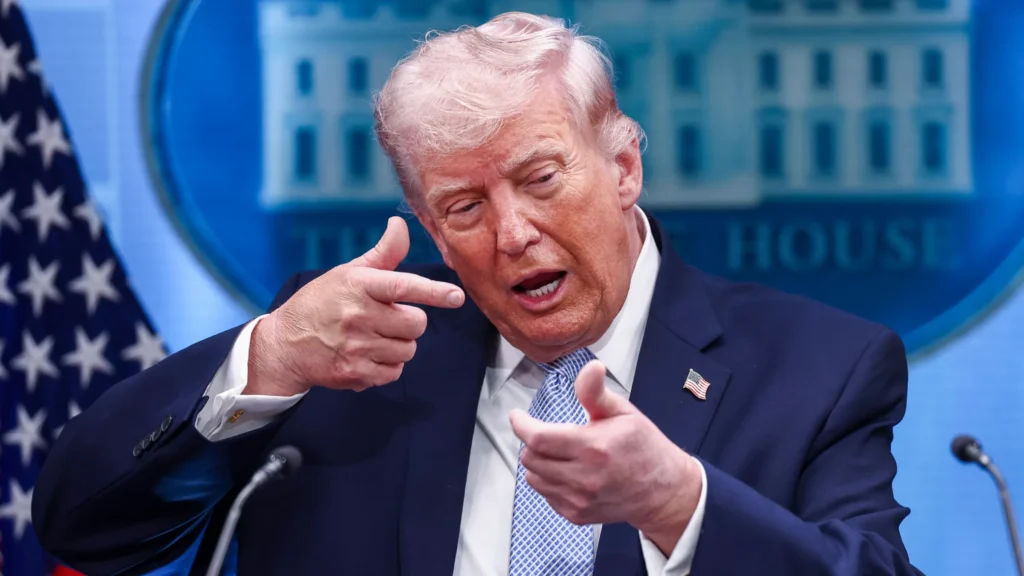
President Donald Trump hailed the development on social media as a “big day for World Peace,” stating that U.S. forces had already achieved their military objectives and were now positioned for a “definitive Agreement concerning Longterm PEACE with Iran, and PEACE in the Middle East.” Iranian officials, including Foreign Minister Abbas Araghchi, confirmed the deal conditional on the full suspension of attacks, describing it as a necessary step to prevent further escalation. As of April 8, the fragile truce holds amid cautious optimism, market rebounds, and isolated reports of post-announcement missile activity. This article provides a complete, chronological report of the incidents, the exact terms and conditions, and a deep analysis of what this US-Iran ceasefire means for the region and beyond.
The Roots of the 2026 Iran War: From Nuclear Tensions to Full-Scale Conflict
To understand the US-Iran ceasefire, it is essential to trace the rapid escalation that defined the 2026 Iran war. Long-standing frictions—rooted in the 1979 Islamic Revolution, the collapsed 2015 JCPOA nuclear deal, Iran’s ballistic missile program, and its regional proxy network—reached a boiling point earlier this year. By early 2026, Iran faced severe internal pressures: economic sanctions, widespread protests, and lingering damage from the 2025 Israel-Iran “12-Day War.”
On February 28, 2026, the United States and Israel launched Operation Epic Fury. In a coordinated barrage of nearly 900 strikes within the first 12 hours, they targeted Iranian air defenses, missile sites, military infrastructure, and senior leadership. Supreme Leader Ali Khamenei was killed in the initial wave, along with key officials. A tragic U.S. strike on a girls’ school near a naval base in Minab claimed around 170 civilian lives, galvanizing Iranian resolve. Iran retaliated immediately with waves of missiles and drones aimed at U.S. bases, Israeli targets, Gulf oil facilities, and shipping lanes. Within days, Tehran effectively closed the Strait of Hormuz, selectively allowing only Iranian-aligned vessels or those paying informal tolls, crippling global energy flows.
The conflict quickly broadened. Hezbollah escalated rocket and drone attacks from Lebanon, prompting Israeli ground operations that displaced over a million Lebanese by late March. Houthi forces in Yemen opened a southern front, firing on Israeli targets and threatening Bab el-Mandeb. Iranian strikes hit Gulf Arab states, while U.S. and Israeli forces conducted repeated deep strikes on Tehran and other cities. By early April, commercial traffic through the Strait of Hormuz had plummeted over 90%, sending oil prices surging from around $70 to over $100 per barrel. Civilian infrastructure in Iran suffered heavy damage, including power stations and transport networks, displacing millions and causing thousands of deaths across the region.
Trump repeatedly issued ultimatums. On March 21, he warned of targeting energy infrastructure unless safe passage resumed. By April 7, the deadline loomed: reopen the Strait or face devastating strikes on power plants, bridges, and desalination facilities. Trump’s rhetoric intensified, with one statement warning that “a whole civilization will die tonight, never to be brought back again” if no deal materialized. Iran rejected earlier temporary proposals, demanding a permanent resolution that included sanctions relief, reparations, and regional security guarantees. A 10-point Iranian plan was floated but initially dismissed by Trump as “fraudulent.” Russia and China vetoed a UN resolution aimed at forcing the Strait open, further complicating diplomacy.
How the Ceasefire Unfolded: Last-Minute Diplomacy on April 7-8
The path to the US-Iran ceasefire accelerated in the final hours before Trump’s 8 p.m. ET deadline on April 7. Pakistani Prime Minister Shehbaz Sharif and Field Marshal Asim Munir played the decisive brokerage role, relaying messages between Washington and Tehran. China reportedly provided a final nudge to Iranian leadership. Trump announced the breakthrough on Truth Social just before the deadline, confirming a “double-sided ceasefire” conditional on the “COMPLETE, IMMEDIATE, and SAFE OPENING of the Strait of Hormuz.”
Iranian state media and Araghchi echoed the acceptance: attacks must fully halt for Iran to coordinate safe reopening with its armed forces. The White House confirmed the suspension of all U.S. bombing and military operations against Iran for two weeks. Israel’s office under Prime Minister Benjamin Netanyahu expressed support for the pause on Iranian targets but explicitly stated the truce does not extend to the ongoing war with Hezbollah in Lebanon.
By early April 8, Trump followed up with optimistic posts, pledging U.S. assistance to manage traffic buildup in the Strait and predicting reconstruction opportunities and economic gains. Neither side specified the exact start time, but the pause appeared effective immediately. Reports emerged of celebrations in Baghdad, Iraq, and mixed reactions in Tehran—relief tempered by skepticism about long-term U.S. intentions. Gulf states scrambled air defenses amid lingering missile alerts in Bahrain, and some Iranian projectiles were reportedly launched toward regional targets shortly after the announcement, testing the truce’s fragility.
Exact Terms and Conditions of the Two-Week US-Iran Ceasefire
The US-Iran ceasefire is narrowly defined but carries significant conditions designed to de-escalate while buying time for deeper talks:
- Duration and Scope: A complete two-week suspension of U.S. (and participating Israeli) strikes and attacks on Iranian territory, military assets, and infrastructure. This applies to the direct Iran theater but explicitly excludes the separate Israel-Hezbollah conflict in Lebanon.
- Strait of Hormuz Reopening: Iran must ensure the complete, immediate, and safe reopening of the Strait for international shipping. This includes safe passage for all vessels without selective tolls or interference. The U.S. has offered logistical support to clear any backlog. Notably, Iran and Oman may now charge formal transit fees on ships passing through their territorial waters—a departure from prior international norms.
- Verification and Compliance: Both sides monitor compliance through indirect channels and regional partners. Iran coordinates reopening via its armed forces; the U.S. has paused all offensive operations.
- Negotiations Window: Direct or mediated talks begin Friday in Islamabad, Pakistan. The agenda includes a potential permanent peace agreement, addressing sanctions relief, nuclear concerns, regional security (including proxies), and reconstruction. Trump referenced Iran’s earlier 10-point proposal as a “workable basis” for further discussion.
- No Additional Concessions Specified: Public statements do not detail immediate sanctions lifting, reparations, or regime change demands. The focus remains on the pause and Hormuz access to stabilize energy markets.
These terms represent a pragmatic compromise: the U.S. and Israel secure energy flow and a breathing room after achieving key military degradation of Iranian capabilities, while Iran gains a halt to devastating strikes and a platform for broader diplomatic gains.
US-Iran Ceasefire 2026: Immediate Reactions, Market Shifts, and On-the-Ground Impacts
Markets reacted positively within hours. Oil prices dropped sharply as traders anticipated resumed flows through the Strait, while U.S. stock futures jumped on reduced geopolitical risk. Iranian streets saw cautious gatherings, with some residents expressing doubt that the truce would last. In the broader region, Iraqis celebrated openly, viewing the pause as relief from spillover effects.
Challenges emerged quickly. Missile alerts in Bahrain and scattered Iranian launches highlighted enforcement risks. Skepticism persists in Tehran over Trump’s history of maximum-pressure tactics. Humanitarian concerns remain acute: damaged infrastructure, civilian casualties (including the Minab school strike), and displacement continue to strain resources.
Complete Analysis: Strategic Wins, Risks, and the Road Ahead
The US-Iran ceasefire marks a tactical victory for the Trump administration. By combining military pressure with deadline diplomacy, Washington forced Iran to the table without launching the threatened civilization-scale strikes. U.S. forces reportedly met core objectives—degrading Iran’s missile and nuclear-adjacent programs—while avoiding a prolonged quagmire. For Israel, the pause preserves focus on Hezbollah while buying time.
Yet risks abound. A two-week window is short; failure in Islamabad talks could trigger renewed escalation. Iran retains proxy leverage through Hezbollah and Houthis, and domestic hardliners may resist concessions. The exclusion of Lebanon from the truce leaves a parallel conflict simmering. Broader geopolitical ripples include strained U.S.-China-Russia dynamics, as Beijing and Moscow supported Iran diplomatically.
Economically, successful reopening could stabilize global energy prices and ease inflation pressures worldwide. Regionally, it opens possibilities for normalized Gulf-Iran ties and reconstruction aid. Long-term, the ceasefire tests whether maximum pressure yields sustainable peace or merely delays confrontation. Analysts note parallels to past deals: short pauses often lead to either breakthroughs or breakdowns.
In essence, this US-Iran ceasefire is a high-stakes intermission in a decades-old rivalry. It reflects pragmatic de-escalation driven by mutual exhaustion—Iran from sustained strikes, the U.S. from the costs of open-ended conflict—yet hinges on fragile trust. As delegations converge in Islamabad, the world watches whether April 8, 2026, becomes the first step toward enduring Middle East stability or another chapter in prolonged tension.
The coming days will reveal if diplomacy can match the intensity of the battlefield. For now, the Strait flows again, bombs are silent, and a fragile hope for peace flickers across a war-weary region.
Disclaimer
This article is based on official statements and publicly available information at the time of publication. The global situation is dynamic and may change with evolving geopolitical developments.
The content is intended for informational purposes only and should not be considered financial or policy advice. Readers are encouraged to refer to official sources for the latest updates.
NoCap Times does not independently verify all claims and shall not be held responsible for any inaccuracies or omissions.