

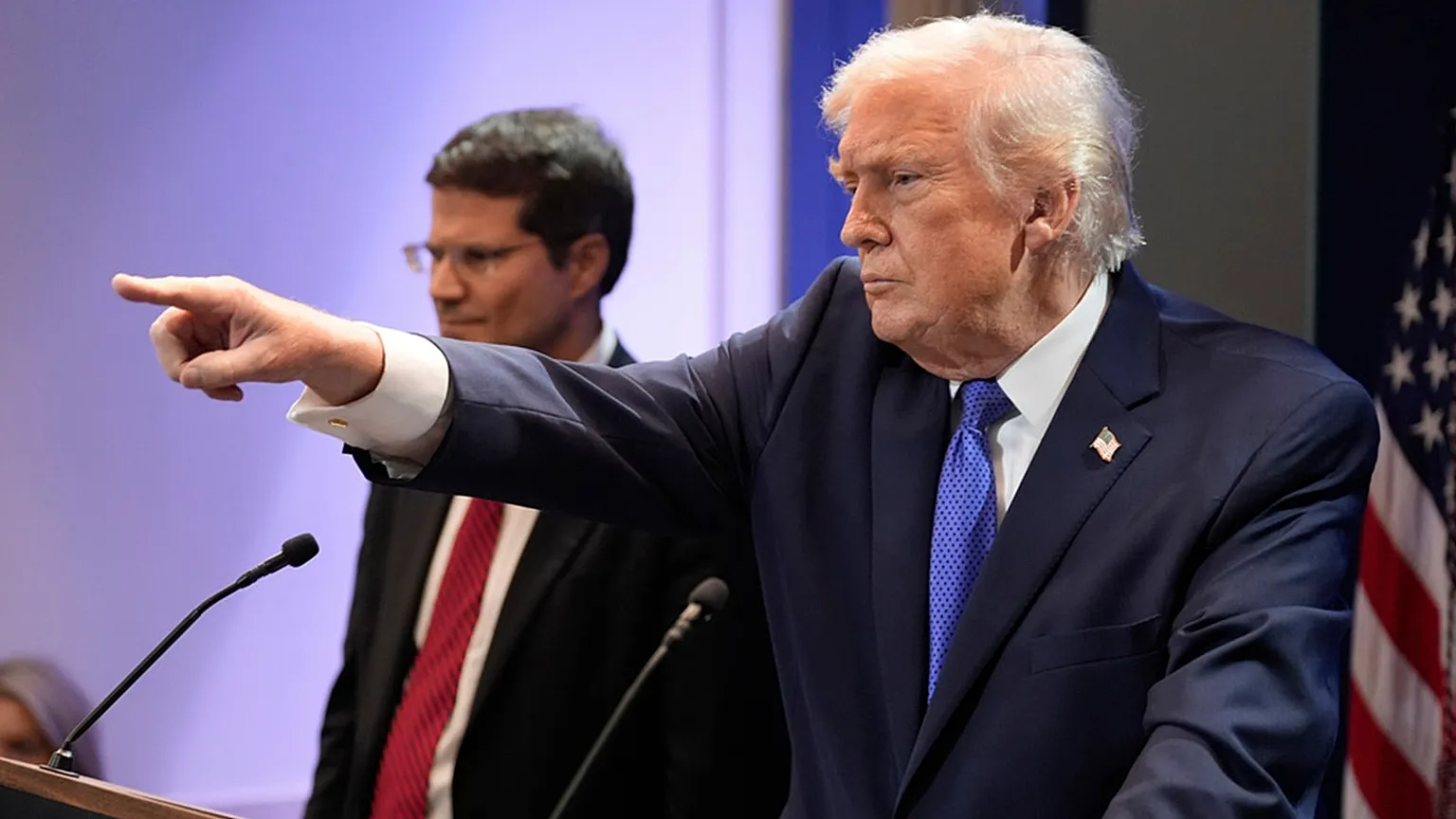
Trump Pushes Forward With New 10% Global Tariff After Supreme Court Blocks Reciprocal Levies
In a dramatic response to a major judicial setback, U.S. Trump Donald Trump has unveiled a fresh 10% tariff on imports from all countries, just hours after the Supreme Court struck down his earlier “reciprocal tariffs” policy. The move signals a renewed escalation in his trade strategy and sets the stage for further legal and economic turbulence.
Supreme Court Delivers Blow to Reciprocal Tariffs
On Friday, the U.S. Supreme Court ruled 6–3 that the Trump’s earlier reciprocal tariffs—introduced last April under emergency powers—were not authorized by the 1977 International Emergency Economic Powers Act. The judgment marked a significant setback for Trump’s trade agenda, concluding that the law did not grant the executive branch unilateral authority to impose such sweeping duties without congressional approval.
The overturned tariffs had targeted a broad range of countries and were framed by the administration as a tool to rebalance trade relationships and protect American industry.
Immediate Countermove: A New 10% Global Tariff
Rather than retreat, Trump responded decisively. In a late-night post on Truth Social, he announced that he had signed a new executive order from the Oval Office establishing a 10% tariff on imports from all countries, effective almost immediately.
Earlier in the day, speaking at the White House, Trump argued that the Supreme Court’s decision did not eliminate his ability to use other statutory authorities to impose tariffs. He asserted that various provisions of U.S. trade law remain available and confirmed that existing tariffs under Section 232 (national security grounds) and Section 301 (unfair trade practices) would continue in full force.
In addition, he declared that the new 10% measure would be introduced under Section 122 of the Trade Act, alongside fresh investigations under Section 301 and related provisions. According to Trump, the new tariff will remain in place for approximately five months while the administration conducts reviews aimed at determining what he describes as “fair” tariff levels for specific countries.
The Trump also emphasized that the United States has already generated more than $133 billion in tariff revenue since the earlier measures were implemented. However, the recent Supreme Court ruling now raises the possibility that some of those funds—collected under the invalidated policy—may need to be refunded to importers.
Trade Deals in Question
Trump acknowledged that certain trade arrangements negotiated in the aftermath of the reciprocal tariffs may no longer remain valid in light of the court’s decision. While some agreements would continue, he indicated that others might be replaced or restructured under the newly announced tariff framework.
This uncertainty has sent ripples through global markets and diplomatic channels, particularly in countries that had secured exemptions or preferential terms under prior arrangements.
Impact on the United Kingdom
In the United Kingdom, officials expressed cautious optimism that the country’s comparatively favorable trading status with the U.S. would remain intact. Britain had previously secured the lowest tariff rate of 10% under Trump’s reciprocal framework, and subsequent negotiations between Prime Minister Sir Keir Starmer and Trump led to carve-outs benefiting British steel producers and automotive manufacturers.
Although the Supreme Court’s ruling introduces new questions about the durability of those agreements, UK authorities indicated they expect most preferential arrangements—particularly those covering steel, automobiles, and pharmaceuticals—to continue. Government representatives stressed their intention to engage with Washington to clarify the implications of the ruling and any subsequent tariff adjustments.
A spokesperson reiterated that while the matter ultimately rests with U.S. authorities, the British government remains committed to supporting domestic businesses and safeguarding trade interests.
Business and Policy Reactions
Trade organizations have reacted with caution. The British Chambers of Commerce stated that the ruling does little to reduce uncertainty for businesses navigating U.S. trade policy. Its head of trade policy, William Bain, noted that while the Supreme Court curtailed the Trump’s emergency powers approach, other legislative pathways remain available for reimposing tariffs.
He emphasized that the UK’s priority should remain securing reductions in duties—particularly on steel and aluminum—and preventing the expansion of additional trade barriers.
Meanwhile, advocacy group Best for Britain argued that the situation highlights the unpredictability of trade relations with the current U.S. administration and underscores the importance of strengthening ties with the European Union.
A New Phase of Trade Tension
The Trump’s swift introduction of a new universal tariff underscores his determination to maintain an assertive trade stance despite judicial resistance. By shifting legal grounds rather than abandoning the policy objective, the administration appears poised to continue testing the boundaries of executive authority in trade matters.
As investigations proceed and potential legal challenges loom, businesses, investors, and foreign governments are bracing for a renewed period of trade volatility.
Summary
Following a 6–3 Supreme Court ruling that invalidated his reciprocal tariffs under emergency powers, Trump Donald Trump announced a new 10% global tariff on all imports, invoking alternative statutory authority. Existing Section 232 and Section 301 tariffs remain in effect, and additional trade investigations are underway. The move creates uncertainty around previously negotiated trade deals, including those involving the UK. While the administration frames the measure as temporary pending further review, the decision signals continued assertiveness in U.S. trade policy and leaves global markets watching closely.