
Iran Blocks Strait of Hormuz Again: Global Oil Supply Faces Fresh Shock
Iran blocks Strait of Hormuz again after ceasefire, disrupting global oil supply, raising prices, and escalating tensions with the US and Israel.
Iran Blocks Strait of Hormuz Again After Fragile Ceasefire
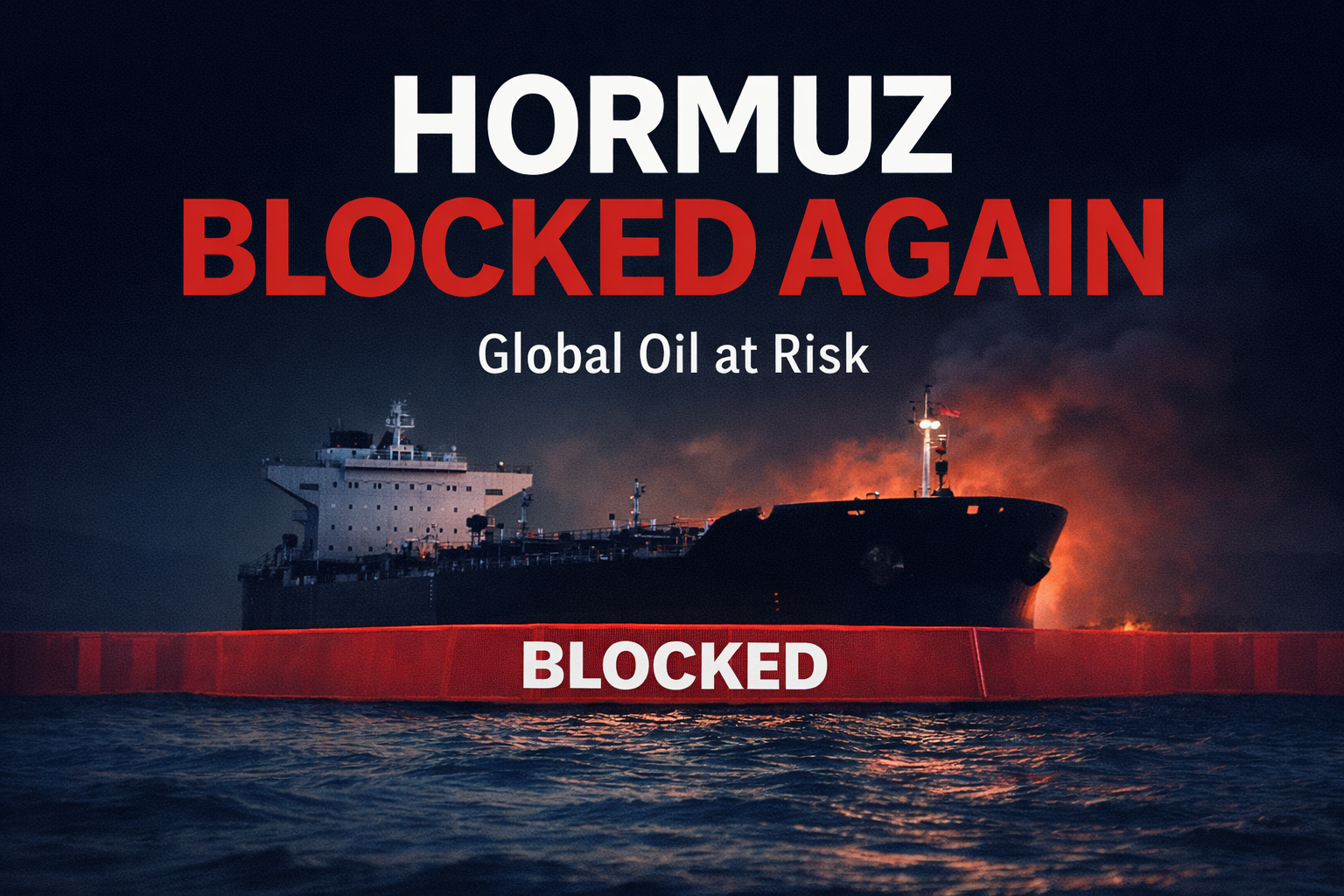
The phrase “Iran blocks Strait of Hormuz again” has once again dominated global headlines. Just hours after agreeing to a temporary ceasefire with the United States, Iran moved swiftly to shut down one of the world’s most critical energy routes.
This sudden reversal has raised serious concerns. It has also shaken global markets, especially those dependent on oil imports.
According to multiple reports, Iran justified its move by pointing to continued military actions by Israel in Lebanon. Tehran claims that the intensity of these strikes violated the understanding behind the ceasefire.
Iran Blocks Strait of Hormuz Again: What Happened?
The latest development comes after a brief window of hope. A two-week ceasefire had been announced, raising expectations that tensions might ease.
However, the situation changed rapidly.
Iran re-imposed restrictions on the Strait of Hormuz, effectively blocking shipping traffic. This chokepoint is crucial because nearly 20% of the world’s oil flows through it.
As a result, global supply chains immediately felt the pressure.
Why Iran Took This Step
Iran has clearly linked its decision to ongoing Israeli strikes in Lebanon.
From Tehran’s perspective, the ceasefire cannot be selective. Iranian officials argue that attacks on Lebanon directly threaten their strategic interests.
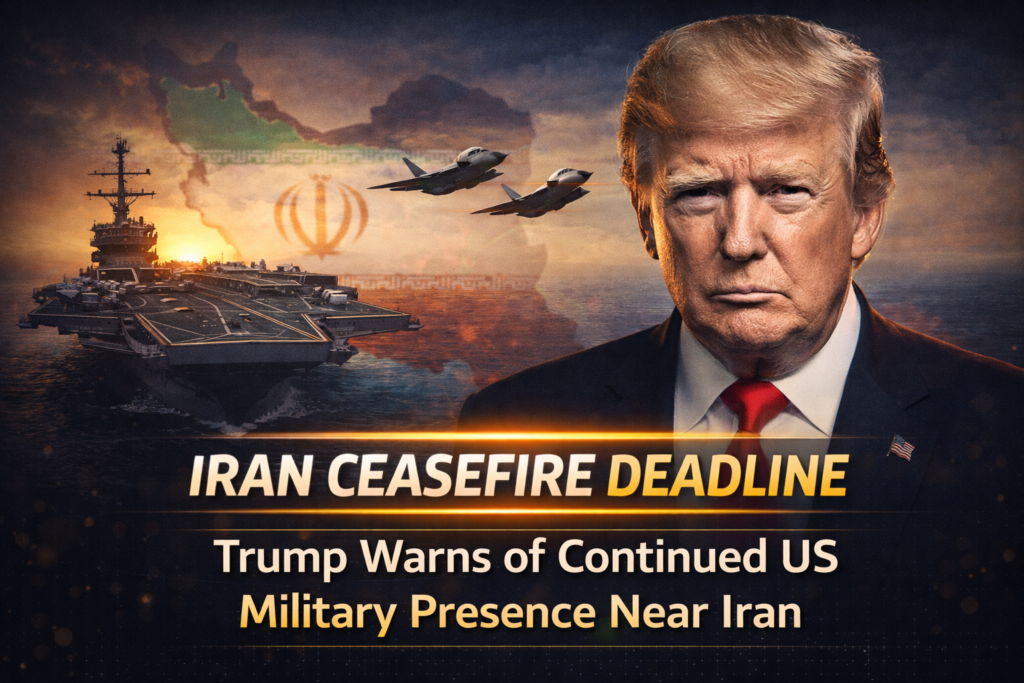
On the other hand, Donald Trump has maintained that the ceasefire deal does not include Lebanon. This disagreement has created a major diplomatic rift.
Threats to Ships as Iran Blocks Strait of Hormuz Again
The situation in the strait is not just tense—it is dangerous.
Iranian naval forces have reportedly issued warnings to commercial vessels. Ships attempting to pass without permission could face military action.
This has forced shipping companies to rethink their routes.
Tankers Stranded Outside the Strait
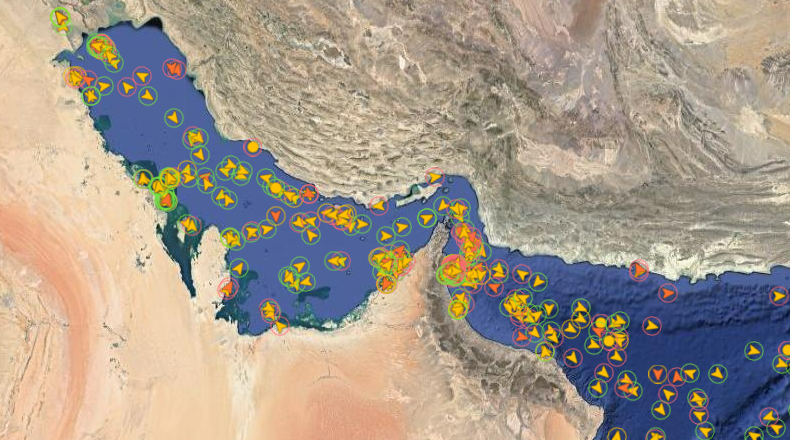
As tensions escalated, tanker traffic dropped sharply.
Many vessels chose to anchor outside the strait rather than risk confrontation. Earlier disruptions had already reduced traffic by over 90%, showing how quickly the situation can deteriorate.
This disruption has created a bottleneck in global oil supply.
Iran’s “Toll System” Adds Fuel to the Crisis
Adding another layer to the crisis, Iran has introduced a controversial idea.
It is reportedly demanding hefty fees from ships for safe passage through the strait.
Up to $2 Million Per Ship
Reports suggest that Iran may charge as much as $2 million per vessel.
Moreover, these payments are being pushed in non-dollar currencies like the Chinese yuan. This move challenges the traditional global trade system.
The United States has strongly opposed this plan. Officials have called such tolls unacceptable and demanded free navigation.
Global Oil Prices Surge as Iran Blocks Strait of Hormuz Again
The impact of this move has been immediate.
Oil prices surged sharply during the crisis. At one point, Brent crude crossed $120 per barrel, reflecting market panic and uncertainty.
Even after the ceasefire announcement, prices remained volatile.
Why This Matters for the World
The Strait of Hormuz is not just another route. It is the backbone of global energy supply.
Any disruption affects:
- Fuel prices
- Transportation costs
- Inflation levels
Therefore, this crisis is not limited to the Middle East. It has worldwide consequences.
Regional Tensions Escalate Further
The crisis has also spilled over into neighboring regions.
Saudi Arabia reported intercepting multiple drones linked to Iranian forces. This indicates that the conflict is widening.
As tensions rise, the risk of a broader regional war increases.
A Chain Reaction Across the Gulf
Countries in the Gulf are now on high alert.
They are preparing for potential disruptions in oil exports and maritime trade. This has added another layer of uncertainty to an already volatile situation.
Legal Dispute Over Strait of Hormuz
The closure has also triggered a legal debate.
Most nations consider the Strait of Hormuz an international waterway. Under global maritime law, ships should have the right to pass freely.
However, Iran disputes this interpretation.
A Global Legal Deadlock
Iran argues that it can regulate passage through its territorial waters.
This disagreement has created a legal stalemate. Meanwhile, efforts at the United Nations have failed to produce a clear resolution.
In fact, Russia and China have blocked attempts to pass a resolution on the issue.
Diplomatic Efforts Hang in Balance
Diplomatic talks were expected to take place in Pakistan to stabilise the ceasefire.
However, the latest developments have put these discussions in doubt.
If talks fail, tensions could escalate further.
Can the Ceasefire Survive?
The future of the ceasefire now looks uncertain.
While both sides had agreed to pause hostilities, the situation on the ground tells a different story.
Without clear agreement on terms, the ceasefire may not hold.
What Comes Next After Iran Blocks Strait of Hormuz Again
The coming days will be critical.
Several key questions remain:
- Will Iran reopen the strait?
- Will the US respond militarily?
- Will diplomatic talks succeed?
Each outcome will shape the global economy and geopolitics.
A Fragile Global Situation
The world is watching closely.
Even a small escalation could trigger a much larger crisis. Therefore, restraint and dialogue are more important than ever.
Summary: Iran Blocks Strait of Hormuz Again Shakes Global Stability
The headline “Iran blocks Strait of Hormuz again” is more than just breaking news—it is a warning sign for the global economy.
- A key oil route has been disrupted
- Shipping traffic has nearly stopped
- Oil prices have surged
- Regional tensions are rising
- Diplomatic efforts face uncertainty
This crisis highlights how fragile global systems can be.
As events unfold, the world must prepare for both economic shocks and geopolitical shifts.
Disclaimer
This article is based on publicly available information, official statements, and media reports available at the time of publication. The content is intended for informational purposes only and should not be considered financial or policy advice. Readers are encouraged to refer to official sources for the latest updates.
While efforts have been made to ensure accuracy, the information presented may change as new developments emerge. Readers are advised to conduct their own research and consult financial advisors before making any investment decisions.
NoCap Times does not independently verify all claims or statements and shall not be held responsible for any inaccuracies or omissions.