

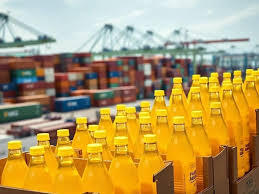
Indian Edible Oil Buyers Shift to Immediate Shipments Amid Price and Freight Uncertainty
Indian edible oil importers are increasingly choosing prompt shipments instead of long-term import contracts as fluctuations in global prices and rising freight costs create uncertainty in supply chains. Traders say geopolitical tensions in the Middle East are also raising concerns about possible disruptions to shipping routes.
Higher Global Prices Make Buyers Cautious
Domestic edible oil prices in India have risen in line with gains in international vegetable oil markets. However, many refiners and traders remain reluctant to place large new orders at current price levels.
Industry sources indicate that several importers are closely monitoring global market trends before committing to major purchases, as they remain uncertain whether the current rally in edible oil prices will continue in the coming weeks.
As a result, buyers are focusing on smaller orders and faster delivery schedules to minimise risk.
Middle East Tensions Raise Shipping Concerns
Ongoing geopolitical tensions in the Middle East have increased worries about potential disruptions in global shipping routes.
Market participants note that if tensions escalate, vessels transporting sunflower oil from the Black Sea region may avoid the Red Sea corridor. Such diversions could lead to longer delivery times and higher freight costs, adding pressure on importers.
These uncertainties are pushing buyers to prefer immediate shipments rather than deliveries scheduled several weeks or months ahead.
India’s Heavy Dependence on Edible Oil Imports
India is among the world’s largest edible oil importers, relying on overseas supplies for nearly two-thirds of its domestic consumption.
The country imports different oils from multiple regions:
- Soybean oil mainly from Argentina and Brazil
- Sunflower oil largely from Russia and Ukraine
- Palm oil primarily from Indonesia, Malaysia, and Thailand
Shipping times vary depending on the source:
- Deliveries from South America generally take over six weeks to reach Indian ports.
- Shipments from the Black Sea region typically take three to four weeks.
- Palm oil cargoes from Southeast Asia usually arrive within about one week.
Refiners Deal With Narrow Margins
Although palm oil could potentially fill supply gaps, refiners remain cautious due to shrinking refining margins caused by rising global prices.
Many buyers are currently relying on existing inventories purchased earlier at lower prices, rather than committing to imports at today’s higher rates. Some refiners are waiting for global prices to stabilise before making fresh purchases.
Narrowing Price Gap Adds Complexity
Purchasing decisions have also been affected by the shrinking price difference between palm oil and soybean oil.
Earlier, crude palm oil landed in India was nearly $100 per tonne cheaper than crude soybean oil. However, market participants say the price gap has narrowed significantly in recent weeks, with both oils now trading at almost similar levels in the import market.
This narrowing spread has made it more difficult for buyers to decide which oil offers better value.
Summary
Indian edible oil importers are increasingly opting for immediate shipments as rising global prices, higher freight costs, and geopolitical tensions in the Middle East create uncertainty in supply chains. With India dependent on imports for nearly two-thirds of its edible oil consumption, refiners are delaying fresh purchases due to tighter margins and the narrowing price gap between palm oil and soybean oil.
Disclaimer
This article is based on publicly available information and official statements. The content is intended for informational purposes only. The publication does not independently verify third-party claims or assertions mentioned in the developments.